Why Fillers Alone Are Aging You Faster: The Truth About Long-Term Filler Dependency
Fillers can smooth lines fast, but when you rely on them alone, they can quietly speed up how old your skin looks.
That sounds bold. Yet many people who use fillers year after year start to notice something odd. At first, their face looks fresh. Then, over time, it feels puffy. Or heavy. Or just not like them. When the product fades, the skin can look looser than before. That is when doubts creep in.
If you’re thinking about Dermal Fillers in Vancouver at Urban Body Laser, or you already get them, this guide will help you make a smarter long-term plan.
Dermal fillers for wrinkles: What They Actually Do
Let’s start with the basics. Dermal fillers for wrinkles are designed to soften and are caused by volume loss. They do not tighten skin. They do not build collagen in a big way. They replace lost volume under the skin.
Most fillers are made of hyaluronic acid. That is a gel that attracts water. It gives lift. It fills hollow areas. It can smooth nasolabial folds, cheeks, lips, and under-eyes.
And yes, they work. You can see change right away.
But here is the key point. Fillers treat space. They do not treat skin quality.
If your main issue is sagging or thin skin, adding more gel may mask the problem, not fix it.
The Illusion of Tightness
Have you ever looked at dermal fillers before and after face photos and thought, “Wow, that looks tighter”?
It often looks that way. But what you’re seeing is volume pushing skin outward. The skin is stretched slightly over the filler. That stretch can look like firmness.
Think of a deflated balloon. Add air and it looks smooth. Remove the air and it wrinkles again.
The same logic applies here.
Fillers create lift from below. They do not make your skin stronger. So when the filler dissolves, the skin may look looser than before, especially if it has been stretched over time.
What Happens With Long-Term Filler Use
One session of filler is not the issue. Strategic, well-placed treatments done by trained professionals can be beautiful.
The risk shows up with repeated treatments over many years, without addressing collagen loss.
Here is what can happen:
- Skin gradually stretches to hold volume.
- Natural collagen keeps declining with age.
- Tissue becomes heavier with repeated filling.
- Facial shape shifts from lifted to bulky.
- When filler fades, laxity looks worse.
Collagen loss starts in your mid 20s. By your 40s, it speeds up. If you only chase lines with volume, you never fix the root issue.
That is when people say, “Why do I look older even though I do treatments?”
Dermal fillers for wrinkles vs. True Skin Rejuvenation
Wrinkles come from two main causes. One is volume loss. The other is collagen breakdown and skin thinning.
Dermal fillers for wrinkles treatment solves only the first cause.
True rejuvenation means helping your skin rebuild itself. That means stimulating collagen. It means tightening tissue. It means improving texture.
Without that step, filler becomes a crutch.
And here is a question worth asking yourself. Do you want to look filled, or do you want to look firm?
Is This Worth the Money Long Term?
This is a real decision point.
Fillers can cost thousands per year if you maintain cheeks, lips, jawline, and folds. Over ten years, that is a serious investment.
Ask yourself:
- Am I building my skin quality?
- Or am I just refilling the same spots?
- If I stopped tomorrow, would my skin look better or worse?
- Do I have a plan beyond volume?
When you think in decades, not months, your strategy changes.
Why Skin Treatments Must Be Part of the Plan
Here is where balance comes in.
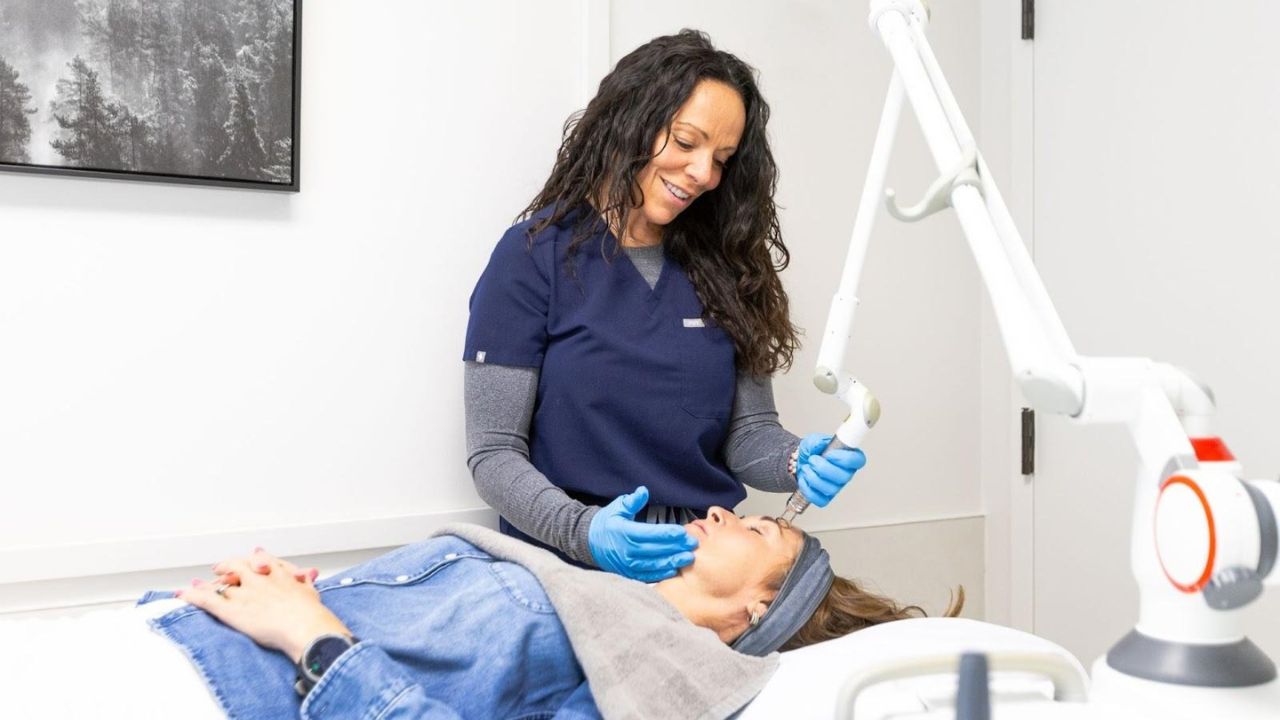
At Urban Body Laser, fillers are offered as part of a bigger aesthetic plan, not as a standalone fix. Treatments that stimulate collagen work underneath the surface.
Some of the most effective options include:
- 4D Facelift laser treatments
- Laser resurfacing
- Microneedling with Exosomes
- Radiofrequency skin tightening
These treatments signal your skin to produce new collagen. They improve firmness. They help skin hold its own shape.
Fillers can then be used lightly. Strategically. Not excessively. You can BOOK NOW!
What Happens If You Do Nothing But Fillers
Let’s imagine someone starts fillers at 30. They love the glow. They keep adding a bit more each year.
By 45, they may notice:
- Puffiness that does not match their bone structure.
- Smile lines that seem deeper when filler fades.
- A heavy mid-face.
- Skin that feels thinner when touched.
Without collagen support, tissue loses structure. Filler cannot replace that structure.
That is why some long-term users feel trapped. They keep refilling because stopping feels worse.
Dermal Fillers Before and After Face: Reading Between the Lines
Photos can be misleading.
Before images often show flat lighting and tired angles. After photos show lifted cheeks and better light.
What you do not see is the long game.
Good dermal fillers before and after face results look subtle. They respect anatomy. They do not distort natural contours.
If results look tight because skin is overfilled, that tightness is temporary. Skin memory matters. Tissue stretch matters.
So when reviewing results, ask:
- Does the face still move naturally?
- Is the jawline sharp without looking wide?
- Does the person look refreshed, not altered?
That is where experience matters.
What Is the Smarter Approach?
You do not need to avoid fillers. You need to use them wisely.
A smarter anti-aging plan often looks like this:
- Stimulate collagen first.
- Tighten skin gradually.
- Add small amounts of filler if needed.
- Maintain skin treatments yearly.
This layered plan gives skin strength. Then filler enhances, not compensates.
It’s like building a house. You fix the frame before adding decor.
Why Collagen Is the Real Anti-Aging Currency
Collagen gives skin bounce. It keeps cheeks from dropping. It holds jawlines in place.
After age 30, you lose about 1 percent per year. That decline adds up.
Laser resurfacing and microneedling with exosomes stimulate natural repair. They thicken the dermis. They improve elasticity.
That change is structural. It’s not just visual.
When collagen improves, you need less filler. And your face ages more gracefully.
Signs You May Be Over-Relying on Fillers
Be honest with yourself.
- You top up every few months.
- You feel panic when volume fades.
- Your face looks different in photos than in the mirror.
- Friends say you look “done” but cannot explain why.
These are red flags.
The goal is balance. Not constant correction.
A Professional Perspective
Experienced aesthetic practitioners will tell you that filler alone is not anti-aging. It’s a tool. Not a cure.
Modern facial rejuvenation focuses on:
- Skin quality
- Ligament support
- Collagen density
- Subtle contour enhancement
When you combine dermal fillers, wrinkles treatment with collagen therapies, results look natural and last longer.
That is how you avoid the cycle of chasing your own shadow.
What You Should Do Next
If you’re considering Dermal Fillers in Vancouver, start with a full consultation. Ask for a long-term strategy, not just a syringe count.
Ask about collagen stimulation options. Ask how much filler is truly needed. Ask what your skin will look like five years from now.
The best providers think ahead. They protect your structure. They protect your future face.
Because aging well is not about adding more. It’s about restoring wisely.
And the real question is not whether fillers work. It’s whether your current plan is helping you age better or simply keeping you on a treadmill you did not mean to step onto.
Real Questions You Might Be Thinking
Will I look older if I stop fillers?
You might, at first. If you have relied only on volume and not supported your skin with collagen treatments, laxity can show more once filler fades. The good news is that with the right collagen-stimulating treatments, your skin can rebuild strength and firmness over time.
Are fillers bad for your face?
No. When placed correctly and used in moderation, fillers are safe and effective tools. The issue is not the product itself. The problem starts when fillers are used as the only anti-aging strategy for years without addressing skin quality.
Do I really need a laser or microneedling if I get fillers?
If you want true lift and better skin texture, yes. Fillers replace volume, but they do not tighten loose skin or significantly boost collagen. Treatments like laser resurfacing or microneedling stimulate natural repair, which improves firmness and helps you rely less on filler over time.
Is combining treatments more expensive?
It can cost more upfront. But long term, a balanced plan often reduces how much filler you need year after year. Many patients find that investing in collagen support leads to more natural results and fewer repeat filler appointments.