Why Winter is the Perfect Time for Laser Hair Removal
If you’re tired of constantly shaving, waxing, or plucking, laser hair removal might be the game-changer you’ve been looking for. This popular treatment uses advanced laser technology to target hair follicles, reducing hair growth for smooth, low-maintenance skin. But when’s the best time to start? Surprisingly, winter is the perfect season to begin your laser hair removal journey. From less sun exposure to better scheduling flexibility, there are several reasons why colder months set you up for the best results.
Learn why winter is the ideal time to start your journey toward smooth, hair-free skin!
Understanding the Winter Advantage for Laser Hair Removal
Winter is an ideal time to start your laser hair removal treatments, and here’s why: during the colder months, your skin is usually less exposed to the sun, which plays a crucial role in the safety and success of the treatment. Sun exposure before and after your sessions can increase the risk of complications like hyperpigmentation or discoloration. By scheduling your sessions in winter, you can avoid these risks and ensure the best results.
So, how does laser hair removal actually work? The treatment targets the melanin (pigment) in your hair follicles. The concentrated laser energy is absorbed by the melanin, converting it to heat that disables the follicle and prevents future hair growth. Because hair grows in cycles, you’ll need a series of treatments to target all the follicles in the treatment area.
Now, let’s explore why winter offers the best conditions for laser hair removal and how it can maximize your results.
Benefits of Getting Laser Hair Removal During Winter
Winter isn’t just about cozy sweaters and hot drinks—it’s also the best time to start laser hair removal. With less sun exposure and a more flexible schedule, the colder months create the perfect conditions for a smooth, stress-free treatment process. Here’s why starting now will give you the best results:
Reduced Sun Exposure: As mentioned earlier, winter means less sun exposure, which is essential for the safety and effectiveness of your treatments. Exposure to the sun before or after your sessions can lead to unwanted side effects like hyperpigmentation or even burns. With the reduced risk of sun damage, winter offers the best environment for optimal results.
Convenient Scheduling: During the colder months, you’re likely to have fewer commitments and social events, making it easier to schedule and stick to your laser hair removal appointments. No need to worry about last-minute vacations or busy days getting in the way of your treatment plan.
Smooth, Hair-Free Skin for Spring and Summer: Starting your treatments in winter means you’ll be ready to show off silky, hair-free skin when the warmer months roll around. Imagine stepping into spring and summer with confidence, knowing you’ve got smooth, effortless skin all season long.
Gradual Transition: One of the benefits of winter treatments is that they allow for a gradual transition to your hair-free goals. Since hair grows in cycles, the laser will reduce hair over multiple sessions, giving you smoother skin without the sudden shock of hair loss. This gradual process makes the treatment more comfortable and the results more natural.
What to Expect During a Laser Hair Removal Session
If you’ve never had laser hair removal before, you might be curious about what happens during a session. Knowing what to expect can help you feel more at ease and prepared for your treatment. Here’s a breakdown of the process:
Consultation and Preparation: Your first appointment will usually start with a consultation. A trained professional will assess your skin type, hair color, and the areas you want to treat. Based on this, they’ll create a personalized treatment plan and let you know how many sessions you may need. This is also your chance to ask questions and get expert advice on pre-treatment care.
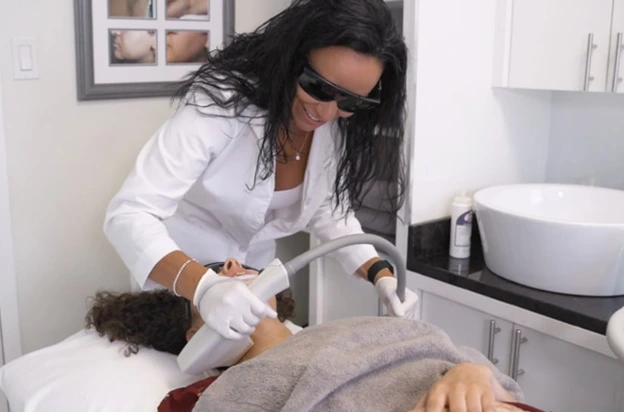
The Procedure: When it’s time for the treatment, your provider will use a handheld device that emits concentrated light energy onto the targeted areas. The laser is designed to selectively heat and disable hair follicles without damaging the surrounding skin. You may feel a slight snapping or tingling sensation—often compared to the feeling of a rubber band lightly flicking the skin. Most people find the discomfort very manageable, and some lasers even have cooling technology to enhance comfort.
Cooling and Aftercare: After your session, the treated area may appear slightly red or feel a bit sensitive, similar to a mild sunburn. Your provider will apply a cooling gel or use a special cooling device to soothe the skin. You’ll also receive detailed aftercare instructions to help with healing and to ensure the best results. This may include avoiding sun exposure, skipping hot showers for a day or two, and keeping the skin well-moisturized.
Aftercare Tips for Laser Hair Removal During Winter
Taking care of your skin after laser hair removal is just as important as the treatment itself. Proper aftercare helps ensure smooth healing, reduces the risk of irritation, and maximizes your results. While winter provides some natural advantages, such as less sun exposure, there are still a few important steps to follow to ensure the best results.
Protect Your Skin from Sun Exposure: Even in winter, UV rays can still affect your skin, especially if you spend time outdoors. To protect the treated areas, wear loose, lightweight clothing that covers your skin, and if any areas are exposed, apply a broad-spectrum sunscreen with at least SPF 30.
Keep Your Skin Hydrated: Cold weather and indoor heating can make your skin drier than usual. Using a gentle, fragrance-free moisturizer will help keep the treated areas hydrated and reduce any potential dryness or irritation. Look for soothing ingredients like aloe vera or hyaluronic acid.
Avoid Strenuous Activities: For the first couple of days after your session, avoid activities that cause excessive sweating or friction in the treated areas. This includes intense workouts, hot showers, saunas, and tight clothing, as these can irritate the skin and slow down the healing process.
Follow Your Provider’s Aftercare Instructions: Your laser specialist will give personalized aftercare guidelines based on your skin type and treatment area. Make sure to follow their recommendations carefully, whether it’s applying a specific post-treatment cream, avoiding exfoliants, or adjusting your skincare routine.
Choosing a Reputable Laser Hair Removal Clinic
Selecting the right clinic for your laser hair removal treatments is essential for both safety and effectiveness. With so many options available, it’s important to do your research and choose a provider that prioritizes quality care and proven results. Here’s what to look for when making your decision:
Experienced Practitioners: The success of laser hair removal depends largely on the skill of the technician. Make sure your provider is certified, trained, and experienced in working with different skin types and hair textures.
Advanced, Health Canada-Approved Technology: Not all lasers are created equal. The best clinics use the latest Health Canada-approved devices that can be customized to suit various skin tones and hair types, ensuring safe and effective treatments.
Comprehensive Consultations: A reputable clinic won’t rush you into treatment. They should offer a thorough consultation to assess your skin, discuss your goals, and create a personalized treatment plan. This is also your opportunity to ask questions and get a clear understanding of the process.
Positive Patient Reviews: One of the easiest ways to assess a clinic’s reputation is by checking online reviews and testimonials from past clients. Look for feedback on both results and customer experience to ensure you’re choosing a place that delivers high-quality care.
Doing your research before booking a treatment will help you find a clinic that aligns with your needs and ensures a safe, professional experience.
Get Smooth, Hair-Free Skin This Winter with Urban Body Laser
Winter is the perfect time to start your laser hair removal in Vancouver, and there’s no better place to do it than Urban Body Laser. By beginning your treatments now, you can avoid sun exposure risks, fit sessions into your schedule more easily, and be ready to show off your smooth skin when the warmer months arrive.
At Urban Body Laser, our experienced professionals use advanced laser technology to ensure safe, effective treatments tailored to your skin type. Whether you’re looking to remove unwanted hair from your legs, underarms, face, or other areas, we’re here to help you achieve long-lasting results.
Water hydrates and plumps skin cells to make your skin look brighter, vibrant, and more youthful. However, lack of water can cause skin to lose its plumpness and elasticity—leading to dryness, flakiness, fine lines, wrinkles, and sagging skin. Water even helps reduce acne and other skin problems by flushing harmful toxins from the body. If beauty products and skin treatments are failing to improve the appearance of your skin, drink more water to achieve a more youthful appearance and to reduce or improve skin problems.
The sun gives off rays of light that can help and harm us. These are known as ultraviolet (UV) rays. There are three different types of UV rays: UVA, UVB, and UVC.
UVA rays are the most common form of sun exposure. UVB rays make up less sun exposure, but are more intense. UVC rays are the worst. Luckily, we are not at risk of UVC rays. The earth’s ozone layer blocks these rays.
Even though you can’t see UV rays, they can go through your skin. The outer layer of skin is the epidermis. The inner layer is called the dermis. Your nerves and blood vessels are located in the dermis. Epidermis cells contain a pigment (or dye) called melanin. People with light skin have less melanin than dark-skinned people. This is why very fair-skinned people burn easier.
Melanin protects our skin and also creates vitamin D. When your body defends itself against UV rays, your skin tans or darkens. Too much sun exposure allows UV rays to reach your inner skin layers. You know this as sunburn. This can cause skin cells to die, damage, or develop cancer.
Too much sun exposure can be harmful. It can lead to:
Skin changes Some skin cells with melanin can form a clump. This creates freckles and moles. Over time, these can develop cancer.
Early aging Time spent in the sun makes your skin age faster than normal. Signs of this are wrinkled, tight, or leathery skin and dark spots.
Lowered immune system White blood cells work to protect your body. When your skin gets burnt, white blood cells help create new cells. Doing this can put your immune system at risk in other areas.
Eye injuries UV rays can damage the tissue in your eyes. They can burn your outer layer called the cornea. They also can blur your vision. Over time, you can develop cataracts. This can cause blindness if left untreated.
Skin cancer Most skin cancer is non melanoma. It is very common, but also very treatable. Melanoma skin cancer is not as common, but is more severe. Skin cancer can spread to other areas in your body, especially if left untreated.
Uv Filters
PABA
Oxybenzone
Octocrylene
Octylmenthoxycinnamate
Benzophenone
Dyes and Coloring Agents
Coal Tar Dyes
Amines
-P –Phenylenediamine
Acids
Alpha Hydroxy Acids
Glycolic
Lactic
Malic
Citric
Tartaric
Beta Hydroxy Acids
Salicylic Acid
Emollients
Petrolatum
Isoparaffin
Polybutene
Mineral Oil
Silicone
Methicone/ Dimethicone
Lanolin
Humectants
Avoid in severely compromised barrier defense (rosacea, senstive skins):
Hyaluronic Acid
Sodium PCA
Lactic Acid
Humectants:
Avoid in dry climates:
Butylene Glycol
Diethylene Glycol
Pentylene Glycol
Glycerine
Glycereth-26
Sorbitol Trioleate
Humectants:
Health Hazard Concerns:
Ethylene Glycol
PEG-4
Propylene Glycol
Sorbic Acid
Emulsifiers
Emulsifiers without risk, other than depleting the bilayers:
Glycerl Monosterate
Sodium Stearates
Sodium Stearoyl Lactylate
Sorbitan Stearate
Laurate
Emulsifiers associated with risk:
Polyethylene Glycol (PEG)
Polysorbates
Cetyl Alcohol
Stearyl Alcohol
Surfactants
Sodium Laureth Sulphate
Sodium Lauryl Sulphate
Ammonium Laureth Sulphate
Ammonium Laury Sulphate
Benzalkonium Chloride
DEA
TEA
Fragrance
Lemon/Lime
Orange/Tangerine
Bergamot
Lavender Oil (Lacandula Angusifolia)
Ylang-Ylang
Diethylhexyl Phthalate (DEP) (10)
Fragrance
Parfum
Eugenol
Geraniol
Linalool
Citronellol
Limonene
Preservatives- Formaldehyde Releasers
Quaternium -15
Diazolidinyl Urea
Imidazolidinyl Urea
DMDM Hydantoin
Preservatives – Citrus –Derived
Citric Acid
Grapefruit Seed Extract
Limonene
Some drugs that tend to cause photosensitivity include:
certain antibiotics, including tetracycline
sulfa drugs
antifungals
antihistamines
retinoids, such as isotretinoin
statins
diuretics
some NSAIDs
Many drugs can cause erythroderma, including:
sulfa drugs
penicillins
anti-seizure drugs
chloroquine
allopurinol
isoniazid
What is a drug rash?
Drug rashes are a side effect of a drug that manifests as a skin reaction. Drug rashes are usually caused by an allergic reaction to a drug. Typical symptoms include redness, bumps, blisters, hives, itching, and sometimes peeling, or pain.
Why do drug rashes happen?
Drug rashes and reactions happen for several reasons, including:
an allergic reaction
a buildup of the drug that causes toxicity to the skin
a drug makes the skin more sensitive to sunlight
interaction of two or more drugs
Sometimes drug rashes can be spontaneous and develop without a cause. Certain factors can also increase your risk for developing a drug rash, such as being older and female.
Other risk factors include having:
a viral infection and taking an antibiotic
a weakened immune system due to an underlying condition or other drug
cancer
With a change in season comes a different temperature, humidity, wind and UV exposure which can all affect changes which the body needs to respond to. … Extremes of temperatures and humidity disrupt the surface of the skin and cause changes in the function of the external skin barrier.
Weather has a huge effect on our skin. When it’s too hot or dry outside, our skin lets us know it. The winter months bring harsh, cold winds that irritate the delicate skin on our face and hands. Winter also brings dry conditions that strip skin of its natural moisture. This dryness can lead to red patches and excess dead skin cells that clog pores, causing acne. The dry winter air ends up sucking the moisture and natural oils that your skin produces. The weather, combined with indoor heating systems, simply wreaks havoc on the skin. This is why certain skin conditions, such as eczema (atopic dermatitis), tend to flare up during the cold weather season. According to some skin-care experts, winter is the worst season for acne. It’s unclear whether these breakouts are due to the weather alone, or are an indirect effect of all the lotions we apply to counteract wintry conditions.
For many, summer brings the promise of clear, easy-to-manage skin. The humidity of summer softens skin and brings back the moisture lost in winter. Some people attribute their improved complexions to increased sun exposure.
Moreover, not everyone says summer helps their skin. Acne has the potential to get worse as the weather gets hotter. There are several explanations for why this happens. For one, excess heat and humidity increase sweat production, which means more oil available to clog pores. Also, summer activities – such as hanging out in swimming pools – can have negative effects on our skin. Chlorinated chemicals can cause a particularly bad form of acne called chloracne. Additionally, sunscreens, while great for protecting users from UV rays, can aggravate the skin, which is why we recommend Colorescience Mineral Treatment Cosmetics.
Of course, when the temperatures reach all-time highs, we stay inside and crank up the air conditioning. Our skin probably doesn’t like that much either. Both air conditioning and central heating can dry skin out. The struggle to create conditions our skin will find favorable can get frustrating, but what choice do we have? Until researchers come up with a way to prevent our skin from reacting to environmental factors, there is little we can do except take care of our skin by using the appropriate products that will address the existing condition of your skin.
Our skin is very much ruled by our hormones. There are those times of the month breakouts, and then there’s the pigmentation known as Melasma that can rear its head when you’re pregnant. The thing is our hormone levels change as we age, rising when we’re children, peaking in our late teens (the horror) and declining in our 30s. One of the most obvious indicators of these hormonal changes is our skin.
Adolescent Years
The Hormone Situation: Adolescence is defined by the transitional stage of physical maturation and psychosocial development, generally occurring from puberty to adulthood. Prior to your teenage years, acne is uncommon. However, during puberty, your hormones surge with rises in estrogen, progesterone, and testosterone, which in turn can cause the sebaceous glands to produce more sebum (grease), which can lead to acne. Acne will affect almost every teenager to some extent, however, the level of acne varies enormously, but so too does the way in which people cope with it.
During Pregnancy
The Hormone Situation: Many pregnant women notice an increase in their skin pigmentation, which is more marked in women with darker skin types. This darkening of the skin is often one of the first signs of pregnancy and is related to increased levels of estrogen, progesterone and other hormones that stimulate pigment cells. Women suffering from this condition will notice that areas that are already pigmented such as the nipples and abdomen will become darker during their pregnancy, but this will generally settle down after delivery.
Menopause
The Hormone Situation: Menopause is defined as the day a woman has been diagnosed as not having a menstrual period for 12 consecutive months. There are a number of structural and functional changes that occur in the skin as our hormone levels decline with age, especially during menopause. These include dryness, due to decreased oil production (sebum synthesis), and lower water content in the skin. This dryness can lead to itching and even eczema. Our skin will also begin to lose its firmness as we age, as the levels of fibroblasts and collagen decrease. This can also lead to a loss of skin thickness, resulting in wrinkles and easy bruising. Lastly, as your skin ages, there are changes in the immune function, which can lead to delayed wound healing and an increased risk of skin cancer.
Polycyclic aromatic hydrocarbons (PAHs )
Toxic and carcinogenic compounds that occur in the environment and derive from two classes processes: petrogenic and pyrogenic processes. PAHs have long degradation periods, and recent studies show high accumulated concentrations in soil, aquatic, and atmospheric environments.
Volatile Organic Compounds (VOCs)
VOCs include a variety of chemicals that can cause eye, nose and throat irritation, shortness of breath, headaches, fatigue, nausea, dizziness and skin problems. The health effects caused by VOCs depend on the concentration and length of exposure to the chemicals.
Nitrogen oxide (NOx)
The species represents one of the most threatening air pollutants due to their prevalence and harmful impact on the environment and human health. Such damages lead to pathologies of lungs, cardiovascular system, and skin because these organs represent the first barrier toward the environment.
Particulate Matter (PM)
Studies have concluded that fine particles with a diameter less than 2.5 microns – PM 2.5 – might impair the skin barrier functions causing damage and reactions including immune dysregulation, activation of melanocytes and collagen breakdown.
Ozone (O3)
Recently it has been reported that a chronic contact with O3 can be deleterious for the skin. Our group and others have shown a progressive depletion of antioxidant content in the stratum corneum and this can then lead to a cascade of effects resulting in an active cellular response in the deeper layers of the skin and cigarette smoke.
White bread, bagels, popcorn “Foods with a high glycemic index give you a sugar rush that will be terrible for your skin,” says Ava Shamban, an assistant clinical professor of dermatology at UCLA. “When you increase sugar levels in the bloodstream, the sugar that’s not picked up by the liver can get into your collagen, which your body may then identify as damaged goods and chew up.”
Red-velvet cupcakes, pistachio ice cream cones Sweet stuff that’s irritating on your Instagram feed—looking at you, artfully arranged plate of macarons—is even worse for your skin. Once again, too much sugar can break down collagen and elastin, making your skin look dull and causing wrinkles over time. When you can substitute for sugar, “honey is the best sweetener since it’s loaded with antioxidants,” says Shamban.
Yogurt, cappuccinos Dairy gets a lot of flack for being bad for your skin, but the truth is “we don’t have enough data to know for sure, so we can only say it’s a potential culprit,” says Shamban. So far, studies have shown a correlation between dairy and acne but not causation, and anecdotal evidence is less reliable than you’d think. “If you gave up eating yogurt or drinking skim milk every day and had fewer breakouts, you wouldn’t know if it were because of the dairy or its sugar content,” says Shamban. Your best bet is to look for dairy that’s made
a) without added sugars and
b) from cows that are not treated with hormones.
“The hormones cows are fed can be steroid analogues, which can make you break out,” she says.
Bottled water “The BPA in water bottles is another steroid analogue, which means it could act like hormones in your body,” says Shamban. “You don’t think about your bottled water breaking you out, but we don’t know yet—and anyway, there are a thousand reasons not to use plastic bottles all the time.”
Your morning coffee If it gets you out of bed, don’t give it up. But you’d be wise to balance your coffee or fancy-pants espresso by chugging a glass of water, too. “Coffee acts as a diuretic, and that won’t make skin pretty, that’s for sure,” says Shamban. “Our skin cells are made of water, and anytime they shrivel up, you lose that glow and plumpness.” That means fine lines, like the ones we all have around our eyes, look worse. But as long as you add back hydration, there are plenty of benefits to drinking coffee, too: The polyphenols in coffee could mean younger-looking skin in the long run. Women who drank about three cups a day had the fewest age spots in a study in the International Journal of Dermatology.
Rounds of margaritas If you’ve ever had a hangover, you already know that having more than a few drinks dries out your skin the next day—it’s why lines look worse (like, way worse) on Sunday morning. Pile on the moisturizer and, if you’re lucky enough to look puffy, too, try pressing a compress with half-and-half or whole milk under your eyes. The proteins in whole-fat milk bring down bags.
…And the salt on the margarita rim (or in a bag of chips) “Just as coffee and alcohol do, too much salt will dehydrate your skin,” says Shamban. It’s why some dermatologists go to extremes: “I put all of my patients on a zero-added-salt diet—if you’re making chicken, you can cook it with rosemary, thyme, and pepper, no salt. Fish is olive oil, garlic, and basil. And restaurants function on salt, so I tell them no dressings, sauces, or salt,” says Harold Lancer, a dermatologist in Beverly Hills.
Milk chocolate—but not dark chocolate (woo-hoo!) It’s the sugars that make milk chocolate hard on your skin, but for the record: “There’s no reason to skip dark chocolate,” says Shamban (Look for 70 percent cacao or higher).
Anything caliente If you have rosacea, don’t pour hot sauce on your pizza. “It’s the skin condition that’s most sensitive to food,” says Shamban. “And spicy foods trigger inflammation and flushing.”