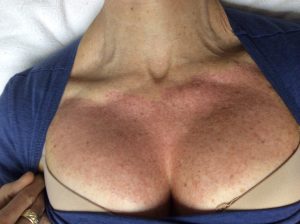
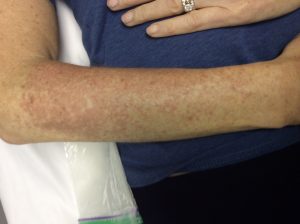
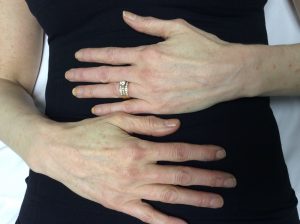
Why is skincare so important? Little acts can really add up. Our manager at Urban Body Laser, Janiece, shared this cautionary tale.
We all do our best to practice what we preach when it comes to taking care of our skin.
We try to make sure we are using proper products – PH-balanced cleanser, spritzers for particular concerns, proper moisturizers and so on. We keep clean brushes, wash them weekly and use clean pillowcases. We tell ourselves, “Don’t pick your face! Wash your hands!”
I know best that I shouldn’t be picking any pimples on my face. However, one day I woke up with a pimple on my face that was big and red. It had no whitehead. I left it all day and then before bed I had a very hot shower and steamed the big red pimple on my face. When I got out of the shower, there was a tiny whitehead on it. I gently tried to squeeze it, with no luck. The next morning, I had another hot shower and steamed it again. I got out of the shower and gently tried to squeeze the little whitehead again – nothing happened. Three days later we held a staff event and this thing was not looking so pretty. I covered it as best I could with my Colorescience and used a brush to cover the area with my pressed compact powder.
This was the beginning of a month-long journey of dealing with increasingly difficult issues with my face.
I did my best to wash and keep my face clean. I chalked it up to irritation from me picking at it. After six days of a rash traveling in all different directions on my face, I took a picture of it and sent it to my friend who is a Naturopathic Doctor (ND). He said that I had a Staph infection and needed to use some topical antibiotic ointment. I filled the prescription and spent two days applying it. During those two days, one hour after I applied it each time, my face was so itchy that I couldn’t stand the ointment – so I took it off. Needless to say, the infection kept spreading. It was oozing, moving farther along my face, cheek, chin and neck. It was painful, itchy and scary.
I ended up having to take a very high dose of penicillin to stop the infection. I was advised to check my temperature hourly – if it spiked, I would need to get to the hospital asap! After seven days of antibiotics, the infection was almost gone. Two days later, I went out for the evening and when I came home at around 3:00 am, my face started burning again. I didn’t realize that I had reinfected my face with my makeup brush and the pressed compact that I had used two weeks prior to cover what I thought was an irritated pimple. I didn’t know that I had reinfected myself, but instead thought the antibiotics had stopped working. I spent the entire Saturday with butterflies in my stomach all day, wondering what was going to happen to my face. Then, I started thinking about how I had used the brush again. I figured out that bacteria was still living on my makeup brush and pressed powder.
It took well over a month for the skin on my face to get back to normal.
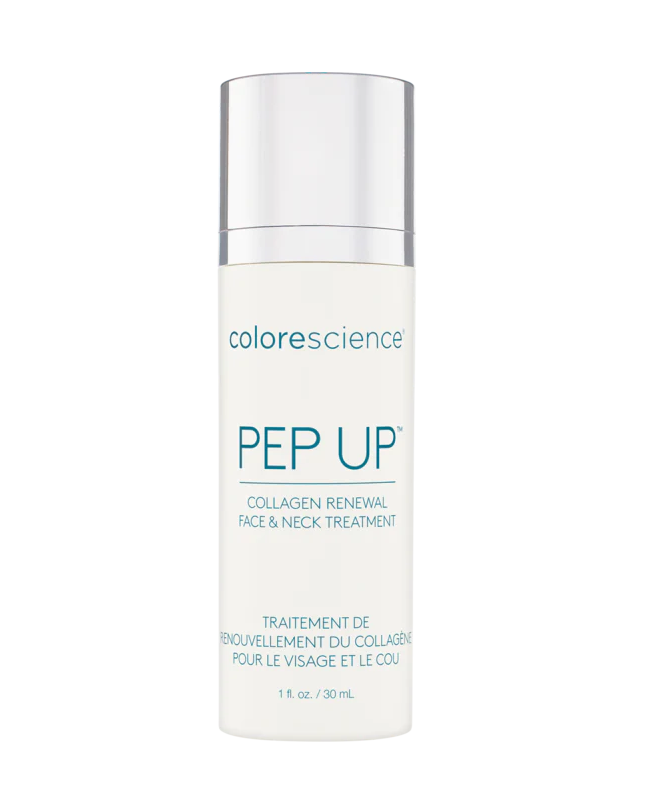
After the infection was gone, my face was irritated and dry because it had been so damaged by the infection. I am so grateful I was able to use healthy products to restore and treat the affected area. I used R3 Derma Soothe, Aloe, and Revive to heal, plus Colorescience Tint du soleil, Pep Up and Pressed Mineral Foundation Compact to hide and heal.
I talk about keeping skin healthy and never in a million years did I think that this would happen to my face. It is sooooo important to keep your brushes clean! Don’t pick those nasty little annoying pimples…especially with fingers that have not been washed!
There are a lot of things here that I did wrong despite preaching these things daily:
Always wash your brushes
Never pick your face
Never touch your face with dirty hands
I am writing this article and sharing with you why we ask our guests not to do the things they need to do to keep their skin healthy and what can go wrong – all for the exact reasons of what happened to my face. I broke every rule that I preach and ended up spending almost an entire month of time treating my face, taking unnecessary antibiotics, being itchy and uncomfortable and missing out on work and social events.
I am sharing this to create awareness about the worst-case scenarios that can happen – they even happen to us at Urban Body Laser when we don’t take our own advice.
https://www.urbanbodylaser.com/wp-content/uploads/2023/02/janiece.jpg300300ISIhttps://www.urbanbodylaser.com/wp-content/uploads/2018/02/Urban-Body-Laser-Vancouver-BC-Logo.pngISI2023-02-21 13:25:492023-02-21 14:07:49Skincare and what happens when we don’t practice what we preach
A skincare routine encompasses all the choices you make and steps you take in your day-to-day skincare routine that have an effect on your skin health – from good dietary habits to getting enough sleep but remember, an effective and efficient skincare routine works only as well as the quality products you use and the regular regimen you follow, that have been selected with your specific concerns in mind.
The younger you are when you start, the better, but it’s never too late to establish healthy habits. Whether you want to help prevent or treat wrinkles, smooth away dryness or creases, or address other concerns or damage, you should start a skincare routine as soon as possible.
Age doesn’t matter; but skin type does.
Take into account, for a moment, a research-supported truth: “Skin has the same basic needs at every age”. Your age, gender, or ethnicity would be irrelevant, as your skin requires cleansing, exfoliation, hydration, protection, replenishing and restoration irrespective.
And as you age, your skin type changes. Some people may find their skin becomes drier with age, while others may experience oilier skin, breakouts and enlarged pores as their skin matures. For this reason, you should opt for a skincare regimen that is based on your skin type and concerns you want to address, and not on your age.
Good vs Poor Quality Products?
While good quality products help your skin look and feel better now, as well as in the future; poor quality products are ineffective and may even cause harm:
Good Quality are Products that:
Have quality ingredients that can improve your skin health
Protect from environmental damage
Help fight or slow down the effects of aging
Offer results for money
Have results that may be dramatic if maintained
Exceed standards and are more refined
Once established, are easier to maintain
Boost confidence and encourage you to adopt other healthy routines and an overall healthy lifestyle
Poor Quality are Products that:
Prevent the skin from performing its natural functions properly
Have ineffective results
Cause burning or stinging of the skin
Cause or spread infections
Cause irritation or allergic reactions (such as rashes or blisters)
Worsen problems by clogging pores or causing breakouts
Cause dehydration or peeling
Cause pigmentation changes
Cause excessive oiliness
Increase your risks of greater complications (such as cancers)
Waste your money
In saying “Good” and “Poor Quality” products, we are referring to products selected and utilized, with or without considering your specific skin type and concerns. This, in no way, makes reference to a particular brand.
Tips to Consider When Building a Good Skincare Routine
These are our top tips to consider when building your daily skincare regimen:
1. Know Your Skin Type
The only tips that can be applied to and followed by all skin types are:
Apply the four fundamentals – cleanse, tone, moisturize, and protect!
Stay hydrated
Change pillow cases at least once a week
Wash or tie back hair before bed
Wear sunscreen every day and apply 15 minutes before going out
Don’t forget to patch test new products to avoid potential allergic reactions
Otherwise, steer clear of the idea of applying the “one size fits all” approach when it comes to your skin and its care.
As we mature and our skin is exposed to the elements, it evolves, and sometimes, our skin type alters in that process. In a previous article, we explored the various skin types and how to perform a self-evaluation. However, to be certain you’re using the correct products that satisfy your skin’s cravings, please visit Urban Body Laser to have one of our qualified aestheticians evaluate your needs.
2. Timing, Order and Method of Product Application All Matters
Consider Product Absorption Time
It’s highly important to allow adequate time for your skin to properly absorb the products you’re applying for effective results.
Layer Your Products from Thinnest Consistency to Thickest
Ideally, you should begin with the products containing ingredients that most critical for penetrating the skin (such as antioxidants in serums) – these products tend to be ‘thinner’ in consistency. Then, you want to lock these products in with a moisturizer, which is ‘thicker’ in consistency. Moisturizers contain ingredients like emollients and humectants, which are meant to sit on top of your skin to help keep it moist and soft.
If products are not applied in the correct order, you will not achieve the best results from your skincare regimen. Read further for more details.
Work Products into Your Skin in an Upwards and Outwards Motion
Using an upwards and outwards motion when applying products helps with lifting and firming the skin.
3. Back to Basics
No matter what your skin type is, a basic daily skincare routine can help you maintain skin health and improve some concerns. A basic daily skincare routine has 4 simple steps, that you can do twice daily – mornings and evenings.
Cleanse
Cleanser is the foundation of any skin-care routine. It’s important to gently wash your face twice a day to remove makeup, dirt and pollutants that have settled on your skin, that can cause clogged pores or irritation, and starting with a cleaned surface allows your other skincare products to work better.
Tone
Toner is used to rebalance your skin’s pH levels, as well as to remove anything missed while cleansing
Moisturize
Moisturizer should be used twice daily to hydrate and soften your skin, and prevent water loss that occurs throughout the day.
Protect
Using a physical sunscreen (SPF 30 or higher) during the day, all-year-round.
The goal of any skincare regimen is to spruce up your complexion so it’s functioning at its best, and also target any areas you want to correct. In some case, faces do better with fewer products; so, if you’re just starting out, keep it simple with this basic skincare routine.
4. Always Wear Protection
We’ve mentioned it as one of the fundamentals and we’re saying it again, don’t forget the sunscreen. SPF protects your skin from sun damage such as spots, dehydration, hyperpigmentation, wrinkles and more importantly, it prevents more serious conditions such as skin cancer and melanoma. Remember to opt for a physical sunscreen (rather than chemical), that offers protection, water resistance, and has an SPF of 30 or higher.
5. Patience is Your Ally
Bear in mind that there’s no such thing as a quick fix. Patience, diligence and consistency will be required on your part, to stick to your regimen for a minimum of two-months before results are noticeable.
As the saying goes: “When it comes to patience, we don’t have to change old habits; we can build better ones.” – Sue Bender
6. Self-Care is Not Selfish
Opportunities for self-care have ultimately been replaced by working long hours and in some cases, caring for others before ourselves. But you wouldn’t drive a car with no fuel in it! In the world we live in today, setting aside time for self-care is not an indulgence but rather an absolute necessity — more now, than ever before.
So, drop the guilt and show yourself and your skin some love – it’s proven to have amazing physical and mental health benefits and ultimately benefits everyone else around you as well?
The A – Z of a Skincare Routine
Now that we’ve established the basics, let’s get into an actual skincare routine, shall we?
The Optimal Order to Apply Skincare Products
The main purpose of a skincare routine is to preserve your skin health and keep it functioning at its best. It is not about perfection or correction but rather, creating a strong foundation for your overall wellbeing. That said, there’s no singular prescribed skincare routine for everyone—it’s highly personalized.
So, what might this “foundation” look like? Well, we’ve included a daily skincare routine, showing the optimal order to apply your skincare products for both mornings and evenings:
Skincare Products
Okay, by now, you’re probably feeling slightly overwhelmed – I mean, who wouldn’t? But allow us to put you at ease.
In this next section, we aim to explore each product in more detail.
Let’s start:
CLEANSERS
What is it?
Cleansing (washing) your face to remove excess oils, dirt, and other unwanted particles on your face.
Regular cleansing is essential for maintaining proper hydration and removing excessive dirt, oil, and dead skin cell build-up on the skin’s surface, which causes bacterial blockages of the pores, resulting in inflammation, and acne.
How should it be applied?
Wash your hands and rinse your face with lukewarm water
Apply a small amount of gentle cleanser onto hands
Massage cleanser all over your face using gentle pressure
Rinse hands and massage your face with water to rinse until water runs clear and cleanser and grime are removed
Gently pat your face dry with a soft towel
Be sure to cleanse twice in the evenings, especially if you wear makeup:
First remove makeup with cleansing oil and soft cotton pad
Allow eye-makeup removers to sit for a few minutes so makeup comes off more easily; Avoid rubbing delicate eye area
Follow up with a full-face gentle cleanse
Alternatively, refer to product directions for proper application as products can vary in application
When should it be used?
Mornings
Evenings (Double)
After exercising
Excessive cleansing can lead to skin irritation and stripping of essential skin layers
What is it?
Toners contain ingredients that replenish and restore nutrients to the skin, enhancing and hydrating the skin’s surface by unclogging pores, allowing better absorption of skincare products and providing additional cleansing
Toners may also help to relieve dry patches and discoloration
Toners also are condition-specific, so, depending on the condition of the skin, the toner will be customized
Exfoliating toners, retinoids or other exfoliators should not be used at the same time
How should it be applied?
Toners should be applied with a soft cotton pad, directly after cleansing
Pour a few drops of toner onto a cotton pad (ensure pad is not soaking wet)
Gently swipe onto your face and neck area, avoiding delicate eye and lip areas
Pay special attention to the hard-to-reach areas such as the eye brows, hairline and sides of nose
Alternatively, refer to product directions for proper application as products can vary in application
When should it be used?
Mornings
Evenings
Hydrating formulas can be used twice a day
Exfoliating formulas—formulas that remove dead skin cells with ingredients like glycolic acid—should only be used in the evenings.
What is it?
Serums are known for their ability to penetrate deeper into the skin layers, enabling delivery of powerful ingredients directly to the skin.
Serums may contain exfoliants such as alpha-hydroxy acids (AHA) or lactic acid.
Serums are great for treating specific skin concerns and are formulated according to one’s skin type
How should it be applied?
Serum should be applied with clean fingers, by gently patting onto skin
Ensure coverage of your entire face
Allowing serum to fully absorb into your skin before applying next product
Alternatively, refer to product directions for proper application as products can vary in application
When should it be used?
Mornings
Evenings
Use a serum with antioxidants—like a brightening vitamin C serum— in the mornings, for protection from free radicals you’ll encounter throughout the day.
Use a moisturizing serum with hyaluronic acid, to keep your skin from drying out at night (especially if you’re using anti-aging or acne treatments that can irritate and dry out the skin)
Serums are normally applied after toners, just before a moisturizer or SPF, though always remember:
What is it?
Exfoliants work by removing the top layer of dead skin cells that can cause skin to appear thick and dull, to reveal a fresh, glowing layer of new skin. It also helps to dislodge ingrown hairs from beneath the upper layers of skin.
Chemical exfoliants – including alpha-hydroxy acids (aka AHA: glycolic acid, lactic acid, citric acid) and hydroxy acids (salicylic acid) – are excellent for inducing cell turnover, increasing collagen formation, and improving dullness
Physical exfoliation is manually scrubbing away dead skin cells, excess oil, and buildup with a face scrub
Face masks, reveal fresh, clear skin and leave your complexion looking polished and although relaxing, may dry out your skin if overused
How should it be applied?
EXFOLIANTS:
After cleansing and toning, with clean hands, apply a thin layer of exfoliant over face and neck
Leave on skin for a few minutes
Gently massage over skin, using light pressure to exfoliate the skin of dead skin cells
Rinse thoroughly until water runs clear
Gently pat dry with a clean towel and follow with appropriate moisturizer
MASKS:
After cleansing and toning, with clean hands, apply a very thin layer to face and neck, avoiding eye area
Leave on for a few minutes; Rinse thoroughly with warm water until water runs clear
Gently pat dry with a clean towel and follow with appropriate moisturizer
Alternatively, refer to product directions for proper application as products can vary in application
When should it be used? Evenings
Exfoliating can be harsh on your skin, so it’s recommended to exfoliate no more than 2 – 3 times a week
Hydrating masks are recommended to be used no more than 2 – 3 times a week
Do not follow with toner or products that contain essential oils, acids or enzymes as irritation will occur
What is it?
Eye creams protect your eye area from other potent skincare products and also help to moisturize, hydrate, illuminate, tighten, and provide antioxidants to this delicate area.
Eye creams may be used to treat fine lines, wrinkles, puffiness or dark circles under your eyes
How should it be applied?
To apply, tap gently around the entire eye area, including eyelid
In the mornings, use an eye cream that has a rollerball applicator – the cold steel helps with fluid retention
In the evenings, tap on a hydrating eye cream that will protect your under-eyes and repair your skin barrier overnight
Alternatively, refer to product directions for proper application as products can vary in application
When should it be used?
Mornings
Evenings
Apply before moisturizer, as eye creams tend to be thinner than face moisturizers
What is it?
Sunscreen should be the last step in your daytime skincare routine. It prevents skin discoloration, signs of aging and decreases the development of skin cancers.
Opt for: a sunscreen that offers SPF 30 or higher; a broad-spectrum SPF (meaning that your sunscreen protects from both UVA and UVB radiation)
Physical sunscreen: a natural mineral is used to block UV rays; works immediately; locks in moisture and reflects the heat
Chemical sunscreen: has to be absorbed into the skin to be effective so applying after your moisturizer will delay and hinder that; if you apply a chemical sunscreen before your moisturizer, then your moisturizer will not work as well.
For those who prefer chemical sunscreens, look for a formula that offers moisturizing benefits, so you can get your daily hydration needs while protecting your skin
Refer to product directions for proper application as products can vary in application
When should it be used?
Daily
Product should be applied and reapplied daily, irrespective of weather conditions
We hope that this guide has helped you to understand the importance and benefits of a proper skincare regimen and the products involved.
However, if you would like to learn even more, then set up a consultation at Urban Body Laser today! Our friendly and qualified team would be happy to answer any questions you may have and help you develop the best skincare routine and products for your concerns and lifestyle. Contact us at info@urbanbodylaser.com, live chat or at (604) 229-2836.
We proudly invite you to browse our online store to view our incredible product range at https://urbanbody.myshopify.com! Our collection of R3 Derma Health products contains the highest concentration of active and natural ingredients, best suited for those individuals who desire faster results.
https://www.urbanbodylaser.com/wp-content/uploads/2021/05/Picture3.png272219ISIhttps://www.urbanbodylaser.com/wp-content/uploads/2018/02/Urban-Body-Laser-Vancouver-BC-Logo.pngISI2022-12-05 09:56:462024-01-17 08:34:09What Is A Skincare Routine?
An eye cream is precisely as stated: an EYE cream. The skin around your eyes is up to ten times thinner than the skin on the rest of your face and shows signs of aging more quickly than other areas of the face do, hence. This thinness makes it more delicate, vulnerable, and prone to allergic reactions than other facial skin. This is why the delicate skin around your eyes needs an extra dose of TLC, which a regular face moisturizer might not be able to deliver. Using a regular face cream is not ideal and could even be damaging to that delicate area.
Does this mean having an additional product on your shelf? Well, it surely does! But when you break it down and realize how different the needs of the eye area are and the ingredients that go into these products, then, it will all make perfect sense.
How is the Eye area different?
Within the area around the eye itself, the skin is very delicate. The eye-area skin does not enjoy as much natural moisture from sebum (oil), leaving it prone to laxity, developing fine lines and wrinkles, becoming looser, and even thinner.
Eye products have been specifically formulated to ensure the essential ingredients actually gives the eyes what it needs, something which a face moisturiser cannot do.
Why should you invest in an eye cream?
The skin around your eyes also gets a much greater workout. Every time you move your eyes, whether you squint, smile, or widen them in surprise, you’re using muscles around your eyes. Over time, factors like dryness and loss of collagen and elasticity lead to the formation of small wrinkles near your eyes, commonly known as ‘crow’s feet’. Smoking and exposure to the sun’s harmful ultraviolet rays can also contribute to wrinkle formation.
Incorporating an eye cream into your daily skincare routine can help minimize the appearance of these wrinkles as well as tackle other skin concerns like dryness, puffiness, dark circles, and pigmentation.
And the sooner you start using one, the better. The best time to start using an eye cream is before you think you need one. It’s easier to prevent signs of aging than to correct them, so we recommend investing in an eye cream starting in the 20’s. Applying an eye cream twice every day for optimal results.
While the cost can be exorbitant, rest assured that it’s money well spent. Because the delicate skin around our eyes is usually one of the first spots on the face to show signs of aging, sun damage, and stress. Eye creams can be an effective preventive and reparative measure for addressing all of that. So, even if you only use cleanser, moisturizer, and sunscreen, an eye cream would be a worthwhile addition to your skincare lineup.
What ingredients should you look for in an eye cream?
Some key ingredients to look for are hyaluronic acid and peptides. HA helps to hydrate while peptides boost collagen production, making your skin plumper and more youthful.
Since the skin around your eyes has very few active oil glands, hydrating ingredients like hyaluronic acid, squalene and ceramides are essential for drawing in and sealing in the moisture.
For anti-aging benefits, choose an eye cream containing retinol or a retinol derivative in a moisturizing base—look for ceramides, dimethicone, glycerin and oils in the ingredient list.
In addition, you should also consider factors like your skin type, what skin concern you wish to target, whether you’ll be layering makeup on top, etc. when picking an eye cream. So then, what ingredients should you look for in an eye cream?
Whether you want to tackle fine lines, treat dark circles, or reduce puffiness, our recommended skincare picks have got you covered:
To save time, can I use the same anti-wrinkle eye cream for my face and under eyes?
Skin care isn’t cheap and eye products tend to be more expensive. Which raises the question: why does moisturizer marketed for your under-eyes come in a tiny tube and cost so much more? Is it really that special? And are you doing your eyes a disservice if you use regular moisturizer as eye cream?
The answer is absolutely. Let us explain – It’s true that eye creams contain the same types of ingredients found in many face creams. However, they’re also meant to address hyper-specific skincare issues. Not only does the skin underneath your eyes require more targeted TLC (i.e., retinol for wrinkles, ingredients for puffiness, niacinamide for dark circles, etc.), it’s also a lot thinner than other areas of the face—in fact, it’s the thinnest skin on the body.
In other words, it’s a lot more sensitive.
Now, let’s say you were to use a regular anti-wrinkle face cream with the same targeted ingredients on your under-eyes. That anti-wrinkle cream probably contains a much greater concentration of active ingredients to combat fine lines (somewhat ironic considering that eye creams cost way more than facial moisturizers). This isn’t a bad thing for your face, which can probably tolerate that, but it might not be so great for your under-eyes, which is a more delicate space.
Eye creams tend to be gentler, less irritating, and more moisturizing than regular creams because the delicate skin around the eyes is particularly prone to irritation, fine lines, dark circles, and puffiness.
That being said, you might be able to tolerate regular anti-wrinkle creams on the eye area—if your skin isn’t very sensitive and the formulation isn’t very irritating (read: no fragrances). But proceed with caution.
As for the matter of using eye cream all over your face (Beyoncé’s makeup artist even swears by it), there’s the obvious answer. Unless you’re Beyoncé, it’s going to be an expensive affair. For the financial downside alone, we don’t recommend it as an everyday practice. Plus, you’re actually better off not using an eye cream for your whole face because your face can tolerate (and will benefit from) much higher proportions of active ingredients.
Which one is better: eye cream or eye serum?
An eye serum is lighter than a cream, contains less oil, and uses a vehicle that allows for better penetration of potent anti-aging ingredients as opposed to an eye cream. “Eye serums in general are better for wrinkles, dark circles, reduction of puffiness and help improve skin firmness.”
When should I start using an Eye Cream?
Rule of thumb: When it comes to skincare, the earlier the better. In my many years of experience as a skincare specialist, I believe it’s the one product that you won’t appreciate the use of until you stop and can actually see the effect it has had. The reality is – prevention is better than cure – when it comes to the delicate eye area.
It’s often the simple concepts of skincare that get lost in translation or that people become confused by, so we hope this has helped you understand this important concept of eye care. We also have a ton of info on our Instagram page to provide guidelines and tips.
If you have specific questions, we encourage you to please get in contact with us on (604) 696-5506 or book to have a consultation with one of our skin experts. We will work our way through a series of questions so that we are able to understand your skincare requirements, which will aid in ensuring the products we recommend are uniquely matched to these concerns.
The bonus of our R3 Derma Health skincare range is that we can custom blend our products to make sure they meet all the needs of your skin, perfectly!
https://www.urbanbodylaser.com/wp-content/uploads/2022/11/eye_cream-e1669941251616.png175175ISIhttps://www.urbanbodylaser.com/wp-content/uploads/2018/02/Urban-Body-Laser-Vancouver-BC-Logo.pngISI2022-11-29 17:01:282026-03-07 03:27:56Let’s talk about Eye Cream: Do you really need it?
Our booty facial is a treatment provided by Urban Body Laser to help with all sorts of skin issues. It involves steaming and a jelly mask. Our booty facial helps with issues such as acne scarring, pimples, folliculitis and keratosis pilaris. Read more about this treatment as well as gain some helpful tips for home treatment by visting our Butt Acne Treatments page.
https://www.urbanbodylaser.com/wp-content/uploads/2022/11/hydrabooty-1.jpg500500ISIhttps://www.urbanbodylaser.com/wp-content/uploads/2018/02/Urban-Body-Laser-Vancouver-BC-Logo.pngISI2022-11-24 16:46:272025-09-02 16:18:34Best Butt Acne Treatment – The facial for your Booty!
Here at Urban Body Laser, we realize that determining your skin type may feel a little overwhelming, like cracking a super cryptic code or searching for the missing piece of a complex genetics puzzle but it is an absolute necessity when it comes to ensuring proper skincare and overall skin health and longevity.
Knowing (and understanding) your skin type is the first step in the right direction to determining why you could be experiencing certain skin-related concerns and establishing a vital skincare routine – the basis on which all your products and regimens rest.
It will also aid in understanding your skin’s natural behaviors and responses, enabling you to introduce to your routine, better-suited products that are most effective for you, to target skin concerns specific to your own skin.
We would love to help you establish what your skin needs to look and feel its best but in order to do this, you must first understand the different skin types and determine your own skin
type…
Understanding the Different Skin Types
There are five main types of skin, namely: normal, dry, oily, combination and sensitive skin. Skin type is predominantly determined by genetics. However, the condition of our skin may vary greatly in accordance with the various internal and external factors it is subjected to, such as climate, hormones, medications, diet and products, to name a few.
1. Normal Skin Type
What is “normal” skin?
The term ‘normal’ skin is widely used to refer to well-balanced skin. The scientific term for well-balanced skin is eudermic. Normal skin: is neither overly oily nor dry; is rarely sensitive or particularly problematic; has balanced sebum production and good blood circulation. This well-balanced healthy skin type has even levels of moisture and hydration, uniform texture and no obvious problem areas.
How to identify normal skin
Normal skin may be identified by the following properties:
Barely visible pores
A fresh, even tone
Soft and smooth texture with uniform transparency
Good blood circulation
Balanced oil production
No blemishes and
Minimal sensitivity
As a person with normal skin ages, their skin may become drier.
2. Dry Skin Type
What is “dry” skin?
The term ‘dry’ skin is used to describe a skin type that produces insufficient sebum and as a result, dry skin lacks the lipids it requires to retain balanced moisture and build a protective shield against harsh external influences (this leads to an impaired barrier function). Often characterized by its flaky and rough texture, dry skin (or Xerosis) exists in varying degrees of severity and in different forms that are not always obviously distinguishable.
Significantly more women suffer from dry skin than men, and all skin gets dryer as it ages.
The causes of dry skin
Dry skin may affect anyone but some risk factors raise your chances of developing dry skin. These include:
Age: as you age, your pores naturally produce less oils
Medical history: you’re more likely to experience eczema or allergic contact dermatitis, if there is a history of these conditions in your family
Seasons: dry skin is more common during the colder months, when humidity levels are relatively low. In warmer months, higher levels of humidity may prevent your skin from drying out.
Cleansing habits: taking long and frequent baths, showers or cleansing with very hot water strips the skin of its necessary oils
Skin moisture is dependent on water supply in the deeper skin layers and even perspiration. Skin is constantly losing water via:
Perspiration: active water loss from the glands caused by heat, stress or exertion and is vital for body temperature regulation and overall health.
Trans-epidermal water loss (TEWL): the skin’s natural and passive process of water content regulation by diffusing about half a liter of water a day from the deeper skin layers.
Therefore, dry skin is caused by a lack of:
Natural moisturizing factors (NMFs): especially urea, amino acids and lactic acid – that help to bind in water.
Epidermal lipids: such as ceramides, fatty acids and cholesterol which are needed for a healthy skin barrier function.
As a result, the skin’s barrier function may become compromised.
How to identify dry skin
Dry skin ranges from skin that is a little bit drier than normal, to very dry skin, to extremely dry skin.
These differences are normally be distinguished by:
Dry skin
Flaky, rough or tight feeling
Slight itchiness
Brittle, uneven texture
Dull looking
Low elasticity
Very dry skin
Mild scaling or patched flakiness
Rough and blotchy appearance (may appear to be prematurely aged)
Feeling of tightness
Itchiness
More sensitive to irritation, redness and risk of infection
Extremely dry skin
Roughness and inflammation
Chapping, fissures (cracks) and/or calluses
Scaling
Discoloration
Frequent itchiness
Extremely dry skin is most commonly found on the elderly or on severely dehydrated hands.
3. Oily Skin Type
What is “oily” skin?
The term ‘oily’ skin describes a skin type with heightened sebum production. This excessing discharge of sebum is commonly known as seborrhea.
The causes of oily skin
A number of issues may trigger an overproduction of sebum. These include:
Genetics: oily skin tends to run in families. If one of your parents has oily skin, you’re likely to have overactive sebaceous glands, too
Stress and hormonal changes: androgens (the hormones mostly responsible for oil production) may sometimes fluctuate, stimulating an increase in sebum production, occurring most commonly during puberty, pregnancy and menopause. Stress and illness may also prompt for additional hormones to be released, and with those hormones excess oils may be produced
Medications: acquiring oily skin is one of the possible side effects associated with taking oral contraceptives, hormone replacement medication and certain kinds of steroids. Some medications may also cause dehydration which leads to the production of excess oils
Enlarged pores: sometimes pores stretch out due to age, weight fluctuations and previous breakouts – larger pores tend to produce more oil
Environment: where you live and the time of year may contribute to oily skin. People in warmer, humid climates tend to have oilier skin. You are also likelier to have more oil on your skin during warmer seasons than you would in colder seasons
Poor diet: frequent consumption of foods high in sugars, refined carbohydrates and dairy may lead to overactive sebum production
Comedogenic cosmetics: frequent use of cosmetic products that cause irritation
Methods of cleansing: scrubbing too hard and too often, with abrasive tools or coarse exfoliators, and using harsh chemicals and soaps not suited for your skin type, strips the skin of moisture causing glands to overproduce oil
How to identify oily skin
Oily skin may be identified by the following properties:
Enlarged, obviously visible pores
Greasy appearance
Thicker, pale skin: blood vessels may not be visible
Prone of breakouts
Inflammation and discoloration in severe cases
Oily skin is prone to comedones (blackheads and whiteheads) and to other varying forms of acne.
With mild acne, a significant number of comedones appear on the face and frequently on the neck, shoulders, back and chest too.
In moderate and severe cases, papules (small bumps with no visible white or black head) and pustules (medium sized bumps with a noticeable white or yellow spot at the center) appear and the skin becomes red and inflamed.
4. Combination Skin Type
What is “combination” skin?
The term ‘combination’ skin describes exactly that – having a combination of oily skin in some areas and dry skin in other areas. Typically, there’s a mix of oily and dry areas on different parts of your face, with the T-zone (forehead, nose, and chin) being slightly to very oily and the cheeks being normal to dry.
The causes of combination skin
The oilier parts of combination skin are caused by an overproduction of sebum. The drier parts of combination skin are caused by a lack of sebum and a corresponding lipid deficiency.
A number of factors may cause combination skin. These include:
Genetics: if one of your parents has combination skin, you’re likely to have it too
Climate: you may see a change in your skin’s appearance depending on the change in the climate. You are likelier to have more oil on your skin during warmer seasons and your skin may feel dry in colder seasons
Products: the use of harsh products may and contribute to excess sebum production in the T-zone
How to identify combination skin
Combination skin may be identified by the following properties:
Oily T-zone (forehead, chin and nose)
Enlarged pores T-zone area, perhaps with some impurities
Prone to breakouts only on forehead, chin and nose
Normal to dry cheeks
Sensitive cheeks
5. Sensitive Skin Type
What is “sensitive” skin?
The term ‘sensitive’ skin generally refers to skin that is more prone to inflammation or adverse reactions. People with sensitive skin are likelier to have strong, negative reactions to chemicals, dyes, and fragrances present in products that come into contact with the skin.
The causes of sensitive skin
Just like there are varying degrees of severity of dry skin, there are also different levels of sensitive skin. These may generally be divided up into four main types, namely, naturally sensitive, environmentally sensitive, reactive, and thin.
Naturally sensitive skin: the cause of this is genetics and may be linked to inflammatory skin conditions such as eczema, psoriasis and rosacea
Environmentally sensitive skin: this type of sensitivity, as the name implies, is triggered by the environment. Factors such as sun exposure, cigarette smoke, air pollution that come into contact with the skin may cause irritation
Reactive skin: direct contact with certain products may cause the skin to react, becoming irritated, resulting in papules or pustules, warmness, redness and/or inflammation forming, where the irritant came into contact
Thin skin: as we age, our skin naturally becomes thinner, and thinner skin is easier to irritate
How to identify sensitive skin
Sensitive skin may be identified by the following properties:
Skin feeling itchy and tight
Uneven texture
Oily in warmer seasons
Dry in colder seasons
Reacts easily to certain skincare products
Redness after a hot water application (bath or shower)
Feels itchy while wearing tight clothes
Flushes easily after eating spicy food
If you need help with identifying your skin type, we’ve included below a very basic skin type test, which may be a useful tool:
Determining Your Skin Type
If…
• Your skin doesn’t get more oily or drier during the day
• You only experience dry parches or excess oil seasonally
• You rarely experience breakouts or are sensitive to products
Your skin type is likely…
If…
• You experience dry patches or flaking skin mid-day
• Your skin is rare oily, even at the end of the day
• Your skin often feels tight, itchy, or dry after cleansing
Your skin type is likely…
If…
• Your face is shiny or greasy by mid-day, regardless of the season
• You frequently experience breakouts
• You have large and visible pores
Your skin type is likely…
If…
• Your T-zone is consistently oily and your cheeks are often dry
• Your visible pores are concentrated in your T-zone area
• You experience acne and dry patches at the same time
Your skin type is likely…
If…
• You often experience redness or irritation after applying new products or products with ingredients, like fragrance
• You have skin conditions like rosacea, eczema, or psoriasis
Unlike skin type, skin condition may vary greatly during a person’s lifespan. There are many internal and external factors that determine and affect its condition, including: climate and environment, medication, stress and illness, hereditary traits which influence the levels of sebum, perspiration and natural moisturizing factors that your skin produces, and even the products you use and the skincare choices you make.
Skincare products should ideally be selected to match skin type and address skin condition. Dermatologists and other skincare experts determine a person’s skin type condition by measuring the following factors:
Signs of Aging
Our skin type can evolve during our lifetime. Those with an oily skin type in their teenage years can find their skin becoming drier post-puberty and those with a normal skin type can find their skin getting drier as they age.
As all skin types age, skin loses elasticity, volume and density, fine lines and wrinkles appear and changes in pigmentation can occur. Understanding and measuring the signs of ageing helps us to determine the condition of our skin.
Skin Color
Skin color and ethnicity influences how our skin reacts to external forces such as the sun, pigmentation disorders, irritation and inflammation. Basic skin color is determined by the density of the epidermis and the distribution of melanin.
The redness of skin is also a useful measure of skin condition; it indicates how successful our circulation is and is helpful in identifying conditions such as couperose (or rosacea).
Sebum and Sweat Production
The amount of sebum produced by the sebaceous glands in skin controls the efficacy of the skin’s barrier function and, as a result, the condition of skin. The overproduction of sebum can lead to oily, acne-prone skin, while low sebum production causes dry skin.
The perspiratory glands in skin produce sweat to help the body to maintain its optimum temperature. Excessive or low sweat production can influence skin condition.
Skin Sensitivity
Sensitive skin is skin that is easily irritated and is more reactive to different factors, that are generally tolerated by well-balanced (normal) skin. For some people, sensitive skin is a permanent condition; for others, sensitivity is triggered by certain internal and external factors. It occurs when skin’s natural barrier function is compromised, causing water loss and allowing penetration of irritants. Symptoms are exacerbated by factors that facial skin is most exposed to, from the sun to some ingredients in cosmetics and cleansers. Identifying and evaluating symptoms such as redness, a rash, stinging, itching and burning help in determining skin condition.
Natural Moisturizing Factors (NMFs)
Naturally produced in healthy skin, NMFs such as amino acids help to bind water into the skin, maintain its elasticity and suppleness and prevent it from becoming dehydrated. When the skin’s protective barrier is damaged it is often unable to retain these essential NMFs so skin moisture decreases and condition is affected.
WE ARE HERE FOR YOU!
We sincerely hope that this article has helped you to understand the importance of knowing and understanding you skin type and want you to know that our friendly and qualified staff are always here to give you any recommendation, with utmost passion for skincare.
We proudly invite you to peruse our incredible product range at https://urbanbody.myshopify.com! Our collection of R3 Derma Health products contains the highest concentration of active and natural ingredients, best suited for those individuals who desire faster results.
https://www.urbanbodylaser.com/wp-content/uploads/2021/04/skin-care.jpg500500ISIhttps://www.urbanbodylaser.com/wp-content/uploads/2018/02/Urban-Body-Laser-Vancouver-BC-Logo.pngISI2021-04-14 14:13:412025-10-03 16:16:02Understand Your Skin Type To Have The Best Skin Care Routine For YOU
Imagine a treatment that slows down the clock on your skin and gives you the fresh, summer-ready look you want. Stop imagining, and keep reading!
Our Photorejuvenation treatment can erase damage done from years past and give your skin new life. Dark spots, sun damage, broken capillaries, fine lines, redness and more can all be addressed with the Sciton BBL. This tool uses Intense Pulsed Light technology, producing a broad spectrum of light in a range of wavelengths to repair and revive your skin. The wavelengths can be adjusted to suit your specific skin type and the results you are looking for. During treatment, collagen production is also stimulated, resulting in smoother, rejuvenated skin.
The best way for us to explain the benefits of this treatment is to show you! After years of feeling self-conscious about unwanted pigmentation, Donna took the plunge and couldn’t have been happier she did. Let Donna’s experience inspire you to take the leap and book the appointment you have been waiting for.
“I am finally getting it done! After years of not wearing dresses and skirts I am finally getting those nasty brown spots on my legs taken care of!! I’m so excited to begin. I look forward to the transformation from looking old to younger once again!”
BEFORE
Her first treatment went very well, with minimal discomfort and an excellent technician experience. After her first treatment, Donna noticed that her skin was tender and hot, but this feeling subsided quickly.
After four treatments, Donna was excited and appreciative.
“Wow! Great results. So happy to have experienced such fantastic results at Urban Laser!! Can’t wait to see even more results after my 5th treatment. Now I can finally wear dresses and skirts without nylons!! I even decided to have my neck done too because I want it to look as good as my chest and face!”
Donna’s final results speak for themselves!
AFTER
This treatment really can change your life. In an average of 5 treatments, our clients do away with their insecurities and find the confidence they have been missing. To learn more about this treatment, visit our services page.
Book your first appointment online now!
Contact: Urban Body Laser
777 Hornby St #860, Vancouver, BC V6Z 2G3
(604) 696-5506
https://www.urbanbodylaser.com/wp-content/uploads/2018/08/Sking-Tightening.jpg459476adminhttps://www.urbanbodylaser.com/wp-content/uploads/2018/02/Urban-Body-Laser-Vancouver-BC-Logo.pngadmin2017-08-09 12:00:532022-12-08 17:20:47Photorejuvenation Treatment – Turning Back the Clock
With another amazing summer in Vancouver behind us, September is all about renewal and fresh beginnings. So if you’ve been neglecting your skin in favour of summer BBQ’s and patio sessions, we are here to the (derma) rescue.
With celebrity devotees like Kim Kardashian and Gwyneth Paltrow, it’s little wonder why everyone’s talking about the DermaPen, a revolutionary little tool that kick starts your body’s own natural collagen production. Also referred to as Microneedling, this treatment creates tiny punctures in the skin, tricking the body to build collagen and elastin (which are basically your BFF’s to anti-aging). Besides softening wrinkles, it’s also been proven to lessen the appearance of acne or trauma scars, shrink pores, and fade brown spots.
DermaPen: The New Facial
The old saying that good things come in small packages couldn’t be more true. This little tool offers big results, and has completely disrupted the idea of the traditional facial. If you’re looking for an alternative to laser therapy, Microneedling is the perfect solution for patients with darker skin tones at risk for hyperpigmentation, or those who don’t want to avoid the sunlight for weeks.
Plus you can target much more than just the face. DermaPen treatments can be done anywhere, and are particularly popular for those who suffer from stretch marks or post-natal scarring. Our medical estheticians have treated areas like the legs, chest, or butt, creating a soft, lifted, and smooth appearance in as little as five treatments.
Wondering how it works or want to learn more? We have plenty of information and videos on our website. In addition, feel free to contact our knowledgeable staff by booking a free consultation.
I have always been content with the way I appear on the outside. I’m no beauty queen, but I’m happy about how I look.
Also, I have never been caught up with getting older. Some of the most beautiful humans I have ever laid eyes on are in their 80’s.
So, I had never really thought of facial rejuvenation as something I’d be into. I heard the ads that my friends from Urban Body Laser ran on the PEAK pretty much ever since we went on air. But, I always thought they were talking to someone else.
Then, recently, I started noticing the effects my love for the sun has had on my skin. I had so many crazy sunburns on my face, one so bad I had to be hospitalized. And it realized that my careless ways with the sun were catching up with me.
When I heard the Urban Body Laser ads about photorejuvenation, I started to pay attention. The idea that maybe some of the spotting and redness on my face can be removed with light therapy began to appeal to me.
So I talked to my friend Janiece at Urban Body Laser. I had my first photorejuvenation and skin tightening treatment just before the holidays. I was a little freaked out. I was afraid it would hurt like crazy ( it hurt a tiny bit ). I was afraid there might be scarring ( there was none – in fact, Janiece made me look better when I left than I did when I walked in thanks to the Colorescience mineral makeup she hooked me up with ). Mostly, I felt refreshed and relaxed and like I’d been pampered.
The treatment comes with a excellent skin care line for use after to help nourish and protect the skin. I love it.
I didn’t really notice a difference, but my friends did. I have already started getting compliments on how great my skin looks. After one treatment. Crazy.
Next step, microdermabrasion. It’s happening soon. I’ll let you know how it goes.
We’ll be posting the before and after pics of me after I’ve had all the treatments. But from what I’ve experienced so far, it’s working.
https://www.urbanbodylaser.com/wp-content/uploads/2021/05/skinaging.png334300adminhttps://www.urbanbodylaser.com/wp-content/uploads/2018/02/Urban-Body-Laser-Vancouver-BC-Logo.pngadmin2016-01-13 18:33:452026-03-29 01:48:12I Let Urban Body Laser have their way with me….
There’s nothing we love more than a good ‘Best before and afters’ story, especially when we’re in charge! At Urban Body Laser in Vancouver, our trusted medical estheticians work day in and day out helping people change, correct, and revamp the way they look and feel about themselves. From pigmentation to acne scars, there’s nothing better than seeing the look on someone’s face when you’ve removed something that was causing them embarrassment, insecurity, or even shame.
If you’ve been following us on Instagram, then you may have caught a few of our favourite before and after shots of recent clients. In case you missed it, here are just a few of the best Urban Body Laser makeovers of 2015!
Rachel came to us this past fall after suffering from extensive sun damage. The sun’s rays are amongst the most harmful contributors to aging, leaving sunspots and fine lines on the skin, as evident on her chest. FotoFacial®-AgeDelay™ is one of our most effective methods to reduce this damage, just check out Rachel’s results after just three treatments! Because you can’t be exposed to the sun after receiving FotoFacial®-AgeDelay™, fall and winter are the best times to get started.
We all suffer from the occasional pimple, but before you start layering on concealer, please check the ingredients. Most conventional make-up you find at the drugstore is filled with chemicals, fragrances, and toxins that clog your pores and aggravate the skin, often causing more breakouts. Pictured above is a client who contacted us for a Colorescience application, a luxury make-up line that uses natural ingredients that not only covers those pesky pimples, but also nourishes the skin. Interested? Call us to book a skin analysis!
Do you suffer from skin discoloration from birthmarks or scars? Photorejuvenation may be the answer you’re looking for. We use Sciton’s BBL, a safe and effective system that specializes in darker skin tones. After just one treatment, our client’s knee is looking shades lighter! We’ll be sure to update you once she’s finished her program.
Did you know that laser hair removal for your underarms not only reduces the hair, but also decreases sweat? We call that a #winwin. If you find your light shirts discolor from sweating, or the constant shaving has caused thick hair you can’t seem to rid of, ask our medical estheticians for a custom laser hair removal program.
Interested in these or more of our services and products? Contact us and start the New Year as a new you.
https://www.urbanbodylaser.com/wp-content/uploads/2021/05/Picture12.jpg467745adminhttps://www.urbanbodylaser.com/wp-content/uploads/2018/02/Urban-Body-Laser-Vancouver-BC-Logo.pngadmin2015-12-30 19:41:122026-04-07 04:15:00Best Before and Afters of 2015
Summertime means sun, shorts, and sandals. But with that beach hair and bronzed skin also comes sun damage. While prevention is the first line of defense, no one (and no sunscreen) is perfect. We’ve listed our top treatments for after-sun care to keep your skin healthy and glowing.
Microdermabrasion: Exposure to sun, chlorine and salt water can dry out your skin, causing it to peel and flake. The buildup of dead skin can make skin appear dull, blotchy and uneven. Exfoliation is crucial to help remove sun damage and rejuvenate the skin, leaving it softer and brighter.
Our microdermabrasion treatments gently rejuvenate the skin with non-invasive exfoliation. By removing the outermost layer of dead skin cells, microdermabrasion leaves the skin feeling smoother and dare we say, younger. We use the Pristine Precision Diamond Peel System because we love how the densely packed diamonds gently remove top layers of the epidermis, stimulating collagen and elastin production and improving blood flow. Microdermabrasion treatments are recommended for all skin types, including sensitive skin.
Photorejuvenation:
The main cause of sunspots is prolonged exposure to UV rays from the sun. While increased sun exposure can cause fair-skinned faces to freckle, darker complexions are also vulnerable to uneven pigmentation. In fact, many of us may have a veil of pigment on our skin that we don’t even know is there.
To counteract this, we highly recommend Photorejuventation. Whether on your face, hands, neck, chest or back, Photorejuvenation can make you look like you’ve turned back time. This treatment pulses light into the skin, heating it to target and remove the unwanted brown and red marks from the sun to deliver a more even skin tone and overall glow. It uses light (in a good way!) to repair and revive your skin in an effective and non-invasive system. These treatments are done in a timely matter and can even be done over your lunch hour.
Summer isn’t the only time to be worried about harmful UV rays, as we are exposed to the sun all year round. Therefore, sun protection is essential no matter what season you are in. Keep an eye out for our next blog, where we’ll be sharing our favourite after-sun skincare products that are perfect for recovering from the sunny season.
If you have any questions about summer skincare or any other services we offer, our medical estheticians are a helpful guide for finding the best products for your skin type, so contact us any time. We’re happy to help!
Have you noticed that your skin has become incredibly dry in the past few weeks? Don’t worry, you’re not alone! Cooler temperatures always affect the moisture of your skin, especially on your face, hands, and feet. As a result, cracking, flaking, and redness are all side effects as winter weather sweeps in.
It also doesn’t help that as the temperature drops outside, we’re turning up the heat inside, which also causes the skin to dry out. Thankfully, the Urban Body Laser team has assembled their Winter Survival Kit so ensure your skin receives the tender loving care it deserves. Check out our top picks:
R3 Derma Organic Aloe Gel
We recommend using this in the morning and evening to regenerate the skin’s protective film, or any time after bathing, showering or shaving.
R3 Derma Revive Serum
This helps calm and soothe very dry skin with Konjac Root Extract. Our owner, Janiece, swears by it! In fact, she loves applying this to her hands and lips before bed.
This anti-aging hydrator is perfect for under your mineral makeup to leave you with not only a photo finish but also a silky feel. Can be used upon waking and/or before bed.
Colorescience Pep Up Gel
Give your skin a jumpstart every morning with this amplified Anti-Aging Serum. This collagen renewal treatment for face and neck is formulated with a 10-peptide blend to specifically target aging skin, fine lines, and wrinkles. This radiance-boosting formula with deep hydration and advanced antioxidant support makes your skin look and feel younger. Light-reflecting pigments diminish imperfections, improve the appearance of redness, and brighten sallow tones.
R3 Derma Refresh Hydrating Mask
Maximize topical hydration and enhance your skin’s natural moisture barrier with this thirst quenching Mask which contains water based humectants that attract and bind moisture to the skin. Infused with powerful resilience-enhancing actives, this mask will provide immediate and long lasting hydration, skin will feel supremely nourished, refreshed, hydrated and balanced.
With this dream team in your corner, you won’t have to suffer from another season of chapped lips and cracked hands. Best of all, these are available at our clinic or on our online store! Though all of these products can be used on any age or skin type, there may be some that are better suited for you than others. If you need help deciphering which ones are best for you, contact our team any time, we are more than happy to help.
https://www.urbanbodylaser.com/wp-content/uploads/2018/08/Skin-Rejuvenation-02.jpg334500adminhttps://www.urbanbodylaser.com/wp-content/uploads/2018/02/Urban-Body-Laser-Vancouver-BC-Logo.pngadmin2014-11-20 02:41:492024-07-29 19:21:31Winter Skin Care Tips
You may have noticed more advertisements and buzz around serums. A relatively new product in the skincare market, serums are gaining a loyal following for many reasons. However, we find many clients are confused over why, when, and how to use them.
A common misconception is that serums can replace moisturizers. This is completely false as they both have very different purposes. Facial creams have been around for a long time and are still the most popular form of skin care. They’re a vital component to any skin care regime and should never be replaced with serums or any other products. They’re typically made by mixing oil with water and are primarily meant to hydrate the skin.
Serums, on the other hand, are a concentrated way to get key ingredients into the skin. The main reason you’d want to use a facial serum is to get added nutrients into deeper layers of your skin that a regular moisturizer is not able to reach. The junction between the two main layers of our skin (epidermis and dermis) is extremely hard to penetrate. While this is a good thing because it protects our skin, it also means it’s difficult to get the active ingredients into the depths of your skin where it is needed.
This is why you need a serum with an effective delivery system. So before you purchase one, make sure that it has a delivery system for those active ingredients to properly penetrate into the deep layer of your skin. Otherwise you’ll be wasting your money.
All of the serums we offer at our office and online store have this essential liposomal delivery system, which means you can treat and correct any skin ailments that you may be experiencing. For example, the R3 Derma Soothe Serum is an all-natural product; R3 Derma’s Remedy for rosacea reduces and reduces redness while restoring the protective barrier. It also reduces scarring, minimizes the visibility of capillaries, and rebuilds the thinned epidermis.
Other common skin conditions that serums can help treat are acne and pigmentation. To apply, you can either add 1-2 drops/pumps to in the morning and night to your entire face or you can use as a spot treatment. You can find both serums from the R3 Derma line in our online store.
Serums are excellent for anti-aging. This Anti-Aging Serum in particular has a 10-peptide blend that specifically targets aging skin, fine lines, and wrinkles. Our staff love this product because it gives your skin an instant boost, diminishing imperfections and improving the appearance of any redness almost immediately.
As you can tell, serums can be extremely beneficial for the skin and a vital component to a youthful, radiant, and flawless complexion. But before you invest in a serum, it’s best to contact our medical estheticians to find which one is right for you.
Let’s face it: we all want skin that’s tight, supple, blemish-free, and evenly toned. However, as we age, freckles, blemishes, and dark spots seem to ‘magically’ appear. This leaves many women to pile on concealer in an attempt to hide skin pigmentation. Sound familiar? Trust us, you’re not alone. Read more
https://www.urbanbodylaser.com/wp-content/uploads/2021/09/Microdermabrasion-Pigmentation.jpg13332000adminhttps://www.urbanbodylaser.com/wp-content/uploads/2018/02/Urban-Body-Laser-Vancouver-BC-Logo.pngadmin2013-06-19 23:23:512026-04-07 04:12:48Skin Pigmentation: Will It Ever Go Away?
Water hydrates and plumps skin cells to make your skin look brighter, vibrant, and more youthful. However, lack of water can cause skin to lose its plumpness and elasticity—leading to dryness, flakiness, fine lines, wrinkles, and sagging skin. Water even helps reduce acne and other skin problems by flushing harmful toxins from the body. If beauty products and skin treatments are failing to improve the appearance of your skin, drink more water to achieve a more youthful appearance and to reduce or improve skin problems.
The sun gives off rays of light that can help and harm us. These are known as ultraviolet (UV) rays. There are three different types of UV rays: UVA, UVB, and UVC.
UVA rays are the most common form of sun exposure. UVB rays make up less sun exposure, but are more intense. UVC rays are the worst. Luckily, we are not at risk of UVC rays. The earth’s ozone layer blocks these rays.
Even though you can’t see UV rays, they can go through your skin. The outer layer of skin is the epidermis. The inner layer is called the dermis. Your nerves and blood vessels are located in the dermis. Epidermis cells contain a pigment (or dye) called melanin. People with light skin have less melanin than dark-skinned people. This is why very fair-skinned people burn easier.
Melanin protects our skin and also creates vitamin D. When your body defends itself against UV rays, your skin tans or darkens. Too much sun exposure allows UV rays to reach your inner skin layers. You know this as sunburn. This can cause skin cells to die, damage, or develop cancer.
Too much sun exposure can be harmful. It can lead to:
Skin changes Some skin cells with melanin can form a clump. This creates freckles and moles. Over time, these can develop cancer.
Early aging Time spent in the sun makes your skin age faster than normal. Signs of this are wrinkled, tight, or leathery skin and dark spots.
Lowered immune system White blood cells work to protect your body. When your skin gets burnt, white blood cells help create new cells. Doing this can put your immune system at risk in other areas.
Eye injuries UV rays can damage the tissue in your eyes. They can burn your outer layer called the cornea. They also can blur your vision. Over time, you can develop cataracts. This can cause blindness if left untreated.
Skin cancer Most skin cancer is non melanoma. It is very common, but also very treatable. Melanoma skin cancer is not as common, but is more severe. Skin cancer can spread to other areas in your body, especially if left untreated.
Uv Filters
PABA
Oxybenzone
Octocrylene
Octylmenthoxycinnamate
Benzophenone
Dyes and Coloring Agents
Coal Tar Dyes
Amines
-P –Phenylenediamine
Acids
Alpha Hydroxy Acids
Glycolic
Lactic
Malic
Citric
Tartaric
Beta Hydroxy Acids
Salicylic Acid
Emollients
Petrolatum
Isoparaffin
Polybutene
Mineral Oil
Silicone
Methicone/ Dimethicone
Lanolin
Humectants
Avoid in severely compromised barrier defense (rosacea, senstive skins):
Hyaluronic Acid
Sodium PCA
Lactic Acid
Humectants:
Avoid in dry climates:
Butylene Glycol
Diethylene Glycol
Pentylene Glycol
Glycerine
Glycereth-26
Sorbitol Trioleate
Humectants:
Health Hazard Concerns:
Ethylene Glycol
PEG-4
Propylene Glycol
Sorbic Acid
Emulsifiers
Emulsifiers without risk, other than depleting the bilayers:
Glycerl Monosterate
Sodium Stearates
Sodium Stearoyl Lactylate
Sorbitan Stearate
Laurate
Emulsifiers associated with risk:
Polyethylene Glycol (PEG)
Polysorbates
Cetyl Alcohol
Stearyl Alcohol
Surfactants
Sodium Laureth Sulphate
Sodium Lauryl Sulphate
Ammonium Laureth Sulphate
Ammonium Laury Sulphate
Benzalkonium Chloride
DEA
TEA
Fragrance
Lemon/Lime
Orange/Tangerine
Bergamot
Lavender Oil (Lacandula Angusifolia)
Ylang-Ylang
Diethylhexyl Phthalate (DEP) (10)
Fragrance
Parfum
Eugenol
Geraniol
Linalool
Citronellol
Limonene
Preservatives- Formaldehyde Releasers
Quaternium -15
Diazolidinyl Urea
Imidazolidinyl Urea
DMDM Hydantoin
Preservatives – Citrus –Derived
Citric Acid
Grapefruit Seed Extract
Limonene
Some drugs that tend to cause photosensitivity include:
certain antibiotics, including tetracycline
sulfa drugs
antifungals
antihistamines
retinoids, such as isotretinoin
statins
diuretics
some NSAIDs
Many drugs can cause erythroderma, including:
sulfa drugs
penicillins
anti-seizure drugs
chloroquine
allopurinol
isoniazid
What is a drug rash?
Drug rashes are a side effect of a drug that manifests as a skin reaction. Drug rashes are usually caused by an allergic reaction to a drug. Typical symptoms include redness, bumps, blisters, hives, itching, and sometimes peeling, or pain.
Why do drug rashes happen?
Drug rashes and reactions happen for several reasons, including:
an allergic reaction
a buildup of the drug that causes toxicity to the skin
a drug makes the skin more sensitive to sunlight
interaction of two or more drugs
Sometimes drug rashes can be spontaneous and develop without a cause. Certain factors can also increase your risk for developing a drug rash, such as being older and female.
Other risk factors include having:
a viral infection and taking an antibiotic
a weakened immune system due to an underlying condition or other drug
cancer
With a change in season comes a different temperature, humidity, wind and UV exposure which can all affect changes which the body needs to respond to. … Extremes of temperatures and humidity disrupt the surface of the skin and cause changes in the function of the external skin barrier.
Weather has a huge effect on our skin. When it’s too hot or dry outside, our skin lets us know it. The winter months bring harsh, cold winds that irritate the delicate skin on our face and hands. Winter also brings dry conditions that strip skin of its natural moisture. This dryness can lead to red patches and excess dead skin cells that clog pores, causing acne. The dry winter air ends up sucking the moisture and natural oils that your skin produces. The weather, combined with indoor heating systems, simply wreaks havoc on the skin. This is why certain skin conditions, such as eczema (atopic dermatitis), tend to flare up during the cold weather season. According to some skin-care experts, winter is the worst season for acne. It’s unclear whether these breakouts are due to the weather alone, or are an indirect effect of all the lotions we apply to counteract wintry conditions.
For many, summer brings the promise of clear, easy-to-manage skin. The humidity of summer softens skin and brings back the moisture lost in winter. Some people attribute their improved complexions to increased sun exposure.
Moreover, not everyone says summer helps their skin. Acne has the potential to get worse as the weather gets hotter. There are several explanations for why this happens. For one, excess heat and humidity increase sweat production, which means more oil available to clog pores. Also, summer activities – such as hanging out in swimming pools – can have negative effects on our skin. Chlorinated chemicals can cause a particularly bad form of acne called chloracne. Additionally, sunscreens, while great for protecting users from UV rays, can aggravate the skin, which is why we recommend Colorescience Mineral Treatment Cosmetics.
Of course, when the temperatures reach all-time highs, we stay inside and crank up the air conditioning. Our skin probably doesn’t like that much either. Both air conditioning and central heating can dry skin out. The struggle to create conditions our skin will find favorable can get frustrating, but what choice do we have? Until researchers come up with a way to prevent our skin from reacting to environmental factors, there is little we can do except take care of our skin by using the appropriate products that will address the existing condition of your skin.
Our skin is very much ruled by our hormones. There are those times of the month breakouts, and then there’s the pigmentation known as Melasma that can rear its head when you’re pregnant. The thing is our hormone levels change as we age, rising when we’re children, peaking in our late teens (the horror) and declining in our 30s. One of the most obvious indicators of these hormonal changes is our skin.
Adolescent Years
The Hormone Situation: Adolescence is defined by the transitional stage of physical maturation and psychosocial development, generally occurring from puberty to adulthood. Prior to your teenage years, acne is uncommon. However, during puberty, your hormones surge with rises in estrogen, progesterone, and testosterone, which in turn can cause the sebaceous glands to produce more sebum (grease), which can lead to acne. Acne will affect almost every teenager to some extent, however, the level of acne varies enormously, but so too does the way in which people cope with it.
During Pregnancy
The Hormone Situation: Many pregnant women notice an increase in their skin pigmentation, which is more marked in women with darker skin types. This darkening of the skin is often one of the first signs of pregnancy and is related to increased levels of estrogen, progesterone and other hormones that stimulate pigment cells. Women suffering from this condition will notice that areas that are already pigmented such as the nipples and abdomen will become darker during their pregnancy, but this will generally settle down after delivery.
Menopause
The Hormone Situation: Menopause is defined as the day a woman has been diagnosed as not having a menstrual period for 12 consecutive months. There are a number of structural and functional changes that occur in the skin as our hormone levels decline with age, especially during menopause. These include dryness, due to decreased oil production (sebum synthesis), and lower water content in the skin. This dryness can lead to itching and even eczema. Our skin will also begin to lose its firmness as we age, as the levels of fibroblasts and collagen decrease. This can also lead to a loss of skin thickness, resulting in wrinkles and easy bruising. Lastly, as your skin ages, there are changes in the immune function, which can lead to delayed wound healing and an increased risk of skin cancer.
Polycyclic aromatic hydrocarbons (PAHs )
Toxic and carcinogenic compounds that occur in the environment and derive from two classes processes: petrogenic and pyrogenic processes. PAHs have long degradation periods, and recent studies show high accumulated concentrations in soil, aquatic, and atmospheric environments.
Volatile Organic Compounds (VOCs)
VOCs include a variety of chemicals that can cause eye, nose and throat irritation, shortness of breath, headaches, fatigue, nausea, dizziness and skin problems. The health effects caused by VOCs depend on the concentration and length of exposure to the chemicals.
Nitrogen oxide (NOx)
The species represents one of the most threatening air pollutants due to their prevalence and harmful impact on the environment and human health. Such damages lead to pathologies of lungs, cardiovascular system, and skin because these organs represent the first barrier toward the environment.
Particulate Matter (PM)
Studies have concluded that fine particles with a diameter less than 2.5 microns – PM 2.5 – might impair the skin barrier functions causing damage and reactions including immune dysregulation, activation of melanocytes and collagen breakdown.
Ozone (O3)
Recently it has been reported that a chronic contact with O3 can be deleterious for the skin. Our group and others have shown a progressive depletion of antioxidant content in the stratum corneum and this can then lead to a cascade of effects resulting in an active cellular response in the deeper layers of the skin and cigarette smoke.
White bread, bagels, popcorn “Foods with a high glycemic index give you a sugar rush that will be terrible for your skin,” says Ava Shamban, an assistant clinical professor of dermatology at UCLA. “When you increase sugar levels in the bloodstream, the sugar that’s not picked up by the liver can get into your collagen, which your body may then identify as damaged goods and chew up.”
Red-velvet cupcakes, pistachio ice cream cones Sweet stuff that’s irritating on your Instagram feed—looking at you, artfully arranged plate of macarons—is even worse for your skin. Once again, too much sugar can break down collagen and elastin, making your skin look dull and causing wrinkles over time. When you can substitute for sugar, “honey is the best sweetener since it’s loaded with antioxidants,” says Shamban.
Yogurt, cappuccinos Dairy gets a lot of flack for being bad for your skin, but the truth is “we don’t have enough data to know for sure, so we can only say it’s a potential culprit,” says Shamban. So far, studies have shown a correlation between dairy and acne but not causation, and anecdotal evidence is less reliable than you’d think. “If you gave up eating yogurt or drinking skim milk every day and had fewer breakouts, you wouldn’t know if it were because of the dairy or its sugar content,” says Shamban. Your best bet is to look for dairy that’s made
a) without added sugars and
b) from cows that are not treated with hormones.
“The hormones cows are fed can be steroid analogues, which can make you break out,” she says.
Bottled water “The BPA in water bottles is another steroid analogue, which means it could act like hormones in your body,” says Shamban. “You don’t think about your bottled water breaking you out, but we don’t know yet—and anyway, there are a thousand reasons not to use plastic bottles all the time.”
Your morning coffee If it gets you out of bed, don’t give it up. But you’d be wise to balance your coffee or fancy-pants espresso by chugging a glass of water, too. “Coffee acts as a diuretic, and that won’t make skin pretty, that’s for sure,” says Shamban. “Our skin cells are made of water, and anytime they shrivel up, you lose that glow and plumpness.” That means fine lines, like the ones we all have around our eyes, look worse. But as long as you add back hydration, there are plenty of benefits to drinking coffee, too: The polyphenols in coffee could mean younger-looking skin in the long run. Women who drank about three cups a day had the fewest age spots in a study in the International Journal of Dermatology.
Rounds of margaritas If you’ve ever had a hangover, you already know that having more than a few drinks dries out your skin the next day—it’s why lines look worse (like, way worse) on Sunday morning. Pile on the moisturizer and, if you’re lucky enough to look puffy, too, try pressing a compress with half-and-half or whole milk under your eyes. The proteins in whole-fat milk bring down bags.
…And the salt on the margarita rim (or in a bag of chips) “Just as coffee and alcohol do, too much salt will dehydrate your skin,” says Shamban. It’s why some dermatologists go to extremes: “I put all of my patients on a zero-added-salt diet—if you’re making chicken, you can cook it with rosemary, thyme, and pepper, no salt. Fish is olive oil, garlic, and basil. And restaurants function on salt, so I tell them no dressings, sauces, or salt,” says Harold Lancer, a dermatologist in Beverly Hills.
Milk chocolate—but not dark chocolate (woo-hoo!) It’s the sugars that make milk chocolate hard on your skin, but for the record: “There’s no reason to skip dark chocolate,” says Shamban (Look for 70 percent cacao or higher).
Anything caliente If you have rosacea, don’t pour hot sauce on your pizza. “It’s the skin condition that’s most sensitive to food,” says Shamban. “And spicy foods trigger inflammation and flushing.”



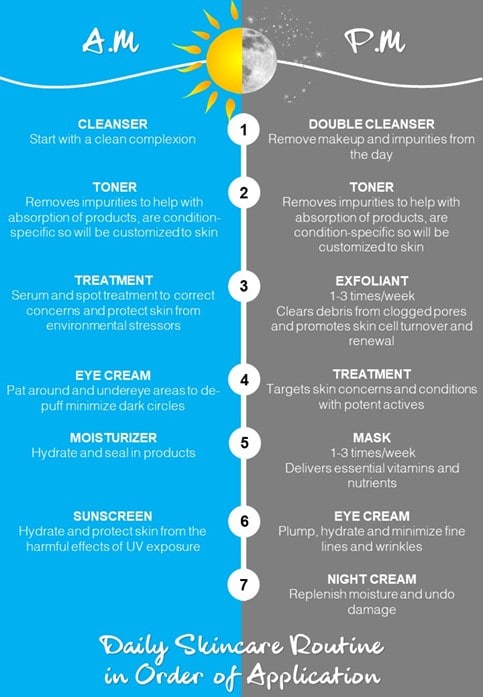

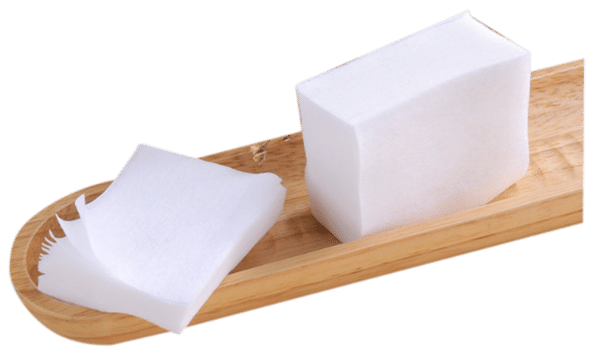

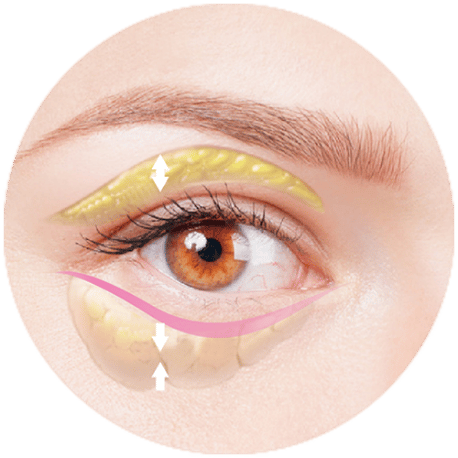
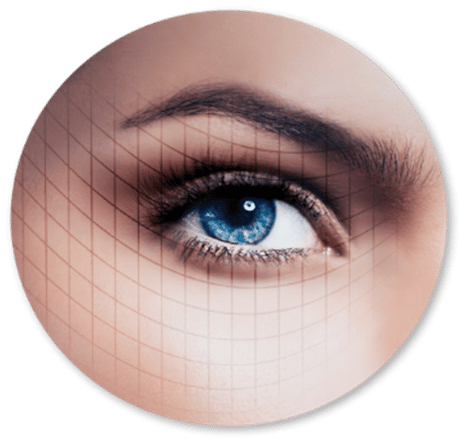 The answer is absolutely. Let us explain – It’s true that eye creams contain the same types of ingredients found in many face creams. However, they’re also meant to address hyper-specific skincare issues. Not only does the skin underneath your eyes require more targeted TLC (i.e., retinol for wrinkles, ingredients for puffiness, niacinamide for dark circles, etc.), it’s also a lot thinner than other areas of the face—in fact, it’s the thinnest skin on the body.
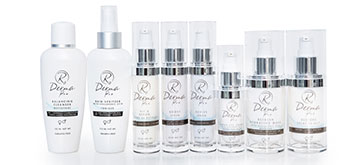

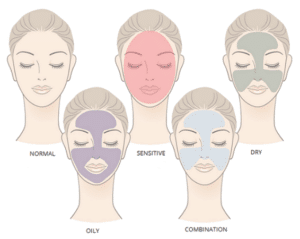
 The term ‘normal’ skin is widely used to refer to well-balanced skin. The scientific term for well-balanced skin is eudermic. Normal skin: is neither overly oily nor dry; is rarely sensitive or particularly problematic; has balanced sebum production and good blood circulation. This well-balanced healthy skin type has even levels of moisture and hydration, uniform texture and no obvious problem areas.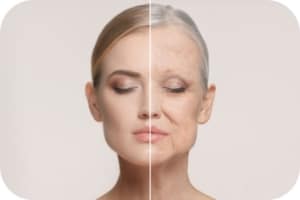


 Extremely dry skin
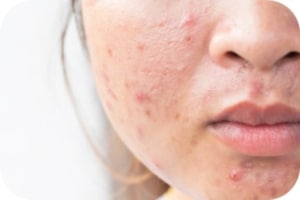 Oily skin is prone to comedones (blackheads and whiteheads) and to other varying forms of acne.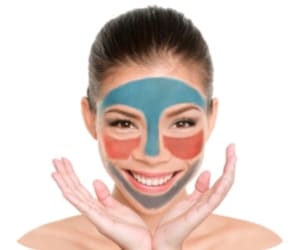
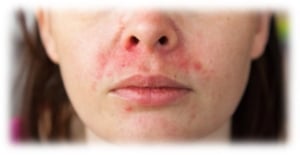


 If…
If…

 Signs of Aging