Acne, pimples, white heads, black heads – a result of diet, stress and hormones. This pesky skin condition and acne scarring are treatable at Urban Body Laser.
Options for acne treatments here at Urban Body Laser:
Consultation with skin assessment (sessions are approximately 45 mins to 1 hour)
For new clients – an Acne Specialist will take the following steps:
Conduct a visual and palpation skin analysis and determine your acne type and grade
Go over aggravating factors that make you break out — foods, medications, cosmetics, etc.
Teach you how to check your skincare products for pore-clogging ingredients
Educate you about the formation of acne and how our system works to target problem areas and get results
If you decide to work with us, we will take the following additional steps:
Determine your skin tolerance for our professional-strength products and perform an allergy test
Develop an individualized homecare regimen specifically designed for your skin type and acne needs for the first 2 weeks
Acne Consultation with Treatment (sessions are approximately 2 hours)
For new clients. At this appointment you will have the following:
In-depth Acne Consultation (see above)
A customized Acne Treatment
PLEASE BE AWARE: If you have been on any prescription topical product (i.e. Differin, Retin-A, Clindamycin, Epiduo, etc.) you MUST discontinue use for 2 weeks prior to your appointment, or book the consultation only.
Our Acne Program
Acne is a complex disease. This is why we utilize a multi-aspect approach with the Acne Program at our clinic. With our Program we don’t just address current breakouts; we focus on acne prevention and on guiding our clients up to the point where their skin stays clear forever. With your commitment to our Program, we will take control of your acne in as little as 10-16 weeks.
Our Acne Program will do the following:
Target current breakouts
Prevent future breakouts
Improve pigmentation
We will take the following steps:
Develop a customized skincare regimen at the initial consultation
Detect acne triggers in everyday life that exacerbate acne, such as food, skincare, makeup, and birth control
Adjust your skincare regimen and perform customized treatments every 2-3 weeks
Guide you through the whole process of getting clear. You will contact your Acne Specialist directly!
Educate you about how to keep your skin clear
We will need your commitment to:
Skincare regimen recommended by your Acne Specialist
3-4 Acne Treatments for mild acne or 6 -8 Acne Treatments for more severe acne
Following all recommendations you receive at your Acne Consultation
Acne Treatments
We use the Sciton BBL Blue Light (420nm) to treat inflammatory acne. Our guests come in for 20-30 minute treatments a few times over the course of a few weeks and receive the Blue Light treatment that painlessly destroys the bacteria that causes acne. The skin heals quickly and this process can be used on almost any skin type and level of acne from mild to severe. The treatment is virtually painless (most guests indicate their skin feels warm and tingly).
We use Fontona’s Nd:YAG laser light to target overactive sebaceous glands in order to reduce the risk of developing new acne inflammation. This treatment also speeds up healing and promotes collagen remodeling.
Our Acne Treatment can be used for blocked pores, black heads or acne. This is a six-step treatment to clean out pores and calm inflammation. Bonus: it can also be used for large pores, oily, rough or dull skin, wrinkles, fine lines or skin discoloration.
We can address a wide variety of cosmetic concerns, including acne, acne scars, discoloration, large pores, oily complexion, rough skin, dull skin, wrinkles, and fine lines.
Acne Scar Removal
For acne and other scars, we use Fotona’s Er:YAG laser to gently vaporize the acne-scarred surface to show off the healthy, undamaged skin underneath. We also use the Fraxel, treating fractions of the skin at the same time by using laser skin resurfacing.
We use dermabrasion, microdermabrasion and microneedling to get rid of acne scars. These treatments can be used for other purposes too, such as removing traumatic scars, rhinophyma (nose enlargement in rosacea), wrinkles, and tattoo removal.
Sometimes dark spots, red spots or purple spots can be left behind after the acne has cleared; we have suggestions for treating these as well.
Microdermabrasion for Acne
Acne is a common skin issue that impacts the lives of many Canadians. However, in this day and age, it can be effectively treated with a wide range of procedures.
For those who are experiencing acne outbreaks or even some light acne scarring, one technique that can be employed is microdermabrasion. (link to micro article on home page) This technique helps improve skin imperfections by removing the upper layer of dead and damaged skin cells. This in turn will reveal fresher, healthier-looking skin in the individual. In addition to this, Microdermabrasion can help promote the production of new skin cells, which in turn will have a higher level of collagen, which can help improve the look of mild acne scars.
Microdermabrasion is great for those with an active acne condition since it exfoliates the skin and helps clear clogged pores of oil and dirt. It should be noted that this procedure is not always recommended in every acne case. In some situations, microdermabrasion can aggravate the condition, however your Technician will be able to provide you with advice as to whether microdermabrasion is right for your acne treatment plans. To help remove deep congestion you may add a steam and an extraction to increase the intensity and effectiveness of the treatment.
In addition to this, for individuals who have deeper acne scarring such as boxcar scars and ice pick scars then microdermabrasion is not likely the best solution. This would be Microneedling.
Because the microdermabrasion treatment is quite mild, we recommend four to six sessions, spread out across two to four weeks. This course of treatments will likely give you the best results and you should expect your skin to have a much more vibrant and rejuvenated appearance. Typically, most healthy individuals are ideal candidates for microdermabrasion but ultimately when you have an initial consultation you will be advised whether the treatment is suitable in your own individual case.
For those who are looking for a non-invasive treatment for acne, Urban Body Laser (link to homepage) may be the solution for you. Contact us online today or call our clinic based in downtown Vancouver at 604-696-5506 to learn more.
https://www.urbanbodylaser.com/wp-content/uploads/2023/03/acne_cropped.jpg10001000ISIhttps://www.urbanbodylaser.com/wp-content/uploads/2018/02/Urban-Body-Laser-Vancouver-BC-Logo.pngISI2023-03-02 15:32:412025-09-02 16:15:39No matter your age – enjoy clear skin again
Here at Urban Body Laser, we realize that determining your skin type may feel a little overwhelming, like cracking a super cryptic code or searching for the missing piece of a complex genetics puzzle but it is an absolute necessity when it comes to ensuring proper skincare and overall skin health and longevity.
Knowing (and understanding) your skin type is the first step in the right direction to determining why you could be experiencing certain skin-related concerns and establishing a vital skincare routine – the basis on which all your products and regimens rest.
It will also aid in understanding your skin’s natural behaviors and responses, enabling you to introduce to your routine, better-suited products that are most effective for you, to target skin concerns specific to your own skin.
We would love to help you establish what your skin needs to look and feel its best but in order to do this, you must first understand the different skin types and determine your own skin
type…
Understanding the Different Skin Types
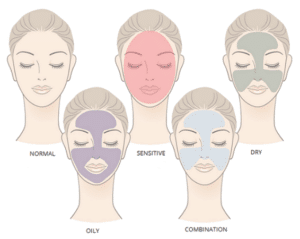
There are five main types of skin, namely: normal, dry, oily, combination and sensitive skin. Skin type is predominantly determined by genetics. However, the condition of our skin may vary greatly in accordance with the various internal and external factors it is subjected to, such as climate, hormones, medications, diet and products, to name a few.
1. Normal Skin Type
What is “normal” skin?
The term ‘normal’ skin is widely used to refer to well-balanced skin. The scientific term for well-balanced skin is eudermic. Normal skin: is neither overly oily nor dry; is rarely sensitive or particularly problematic; has balanced sebum production and good blood circulation. This well-balanced healthy skin type has even levels of moisture and hydration, uniform texture and no obvious problem areas.
How to identify normal skin
Normal skin may be identified by the following properties:
Barely visible pores
A fresh, even tone
Soft and smooth texture with uniform transparency
Good blood circulation
Balanced oil production
No blemishes and
Minimal sensitivity
As a person with normal skin ages, their skin may become drier.
2. Dry Skin Type
What is “dry” skin?
The term ‘dry’ skin is used to describe a skin type that produces insufficient sebum and as a result, dry skin lacks the lipids it requires to retain balanced moisture and build a protective shield against harsh external influences (this leads to an impaired barrier function). Often characterized by its flaky and rough texture, dry skin (or Xerosis) exists in varying degrees of severity and in different forms that are not always obviously distinguishable.
Significantly more women suffer from dry skin than men, and all skin gets dryer as it ages.
The causes of dry skin
Dry skin may affect anyone but some risk factors raise your chances of developing dry skin. These include:
Age: as you age, your pores naturally produce less oils
Medical history: you’re more likely to experience eczema or allergic contact dermatitis, if there is a history of these conditions in your family
Seasons: dry skin is more common during the colder months, when humidity levels are relatively low. In warmer months, higher levels of humidity may prevent your skin from drying out.
Cleansing habits: taking long and frequent baths, showers or cleansing with very hot water strips the skin of its necessary oils
Skin moisture is dependent on water supply in the deeper skin layers and even perspiration. Skin is constantly losing water via:
Perspiration: active water loss from the glands caused by heat, stress or exertion and is vital for body temperature regulation and overall health.
Trans-epidermal water loss (TEWL): the skin’s natural and passive process of water content regulation by diffusing about half a liter of water a day from the deeper skin layers.
Therefore, dry skin is caused by a lack of:
Natural moisturizing factors (NMFs): especially urea, amino acids and lactic acid – that help to bind in water.
Epidermal lipids: such as ceramides, fatty acids and cholesterol which are needed for a healthy skin barrier function.
As a result, the skin’s barrier function may become compromised.
How to identify dry skin
Dry skin ranges from skin that is a little bit drier than normal, to very dry skin, to extremely dry skin.
These differences are normally be distinguished by:
Dry skin
Flaky, rough or tight feeling
Slight itchiness
Brittle, uneven texture
Dull looking
Low elasticity
Very dry skin
Mild scaling or patched flakiness
Rough and blotchy appearance (may appear to be prematurely aged)
Feeling of tightness
Itchiness
More sensitive to irritation, redness and risk of infection
Extremely dry skin
Roughness and inflammation
Chapping, fissures (cracks) and/or calluses
Scaling
Discoloration
Frequent itchiness
Extremely dry skin is most commonly found on the elderly or on severely dehydrated hands.
3. Oily Skin Type
What is “oily” skin?
The term ‘oily’ skin describes a skin type with heightened sebum production. This excessing discharge of sebum is commonly known as seborrhea.
The causes of oily skin
A number of issues may trigger an overproduction of sebum. These include:
Genetics: oily skin tends to run in families. If one of your parents has oily skin, you’re likely to have overactive sebaceous glands, too
Stress and hormonal changes: androgens (the hormones mostly responsible for oil production) may sometimes fluctuate, stimulating an increase in sebum production, occurring most commonly during puberty, pregnancy and menopause. Stress and illness may also prompt for additional hormones to be released, and with those hormones excess oils may be produced
Medications: acquiring oily skin is one of the possible side effects associated with taking oral contraceptives, hormone replacement medication and certain kinds of steroids. Some medications may also cause dehydration which leads to the production of excess oils
Enlarged pores: sometimes pores stretch out due to age, weight fluctuations and previous breakouts – larger pores tend to produce more oil
Environment: where you live and the time of year may contribute to oily skin. People in warmer, humid climates tend to have oilier skin. You are also likelier to have more oil on your skin during warmer seasons than you would in colder seasons
Poor diet: frequent consumption of foods high in sugars, refined carbohydrates and dairy may lead to overactive sebum production
Comedogenic cosmetics: frequent use of cosmetic products that cause irritation
Methods of cleansing: scrubbing too hard and too often, with abrasive tools or coarse exfoliators, and using harsh chemicals and soaps not suited for your skin type, strips the skin of moisture causing glands to overproduce oil
How to identify oily skin
Oily skin may be identified by the following properties:
Enlarged, obviously visible pores
Greasy appearance
Thicker, pale skin: blood vessels may not be visible
Prone of breakouts
Inflammation and discoloration in severe cases
Oily skin is prone to comedones (blackheads and whiteheads) and to other varying forms of acne.
With mild acne, a significant number of comedones appear on the face and frequently on the neck, shoulders, back and chest too.
In moderate and severe cases, papules (small bumps with no visible white or black head) and pustules (medium sized bumps with a noticeable white or yellow spot at the center) appear and the skin becomes red and inflamed.
4. Combination Skin Type
What is “combination” skin?
The term ‘combination’ skin describes exactly that – having a combination of oily skin in some areas and dry skin in other areas. Typically, there’s a mix of oily and dry areas on different parts of your face, with the T-zone (forehead, nose, and chin) being slightly to very oily and the cheeks being normal to dry.
The causes of combination skin
The oilier parts of combination skin are caused by an overproduction of sebum. The drier parts of combination skin are caused by a lack of sebum and a corresponding lipid deficiency.
A number of factors may cause combination skin. These include:
Genetics: if one of your parents has combination skin, you’re likely to have it too
Climate: you may see a change in your skin’s appearance depending on the change in the climate. You are likelier to have more oil on your skin during warmer seasons and your skin may feel dry in colder seasons
Products: the use of harsh products may and contribute to excess sebum production in the T-zone
How to identify combination skin
Combination skin may be identified by the following properties:
Oily T-zone (forehead, chin and nose)
Enlarged pores T-zone area, perhaps with some impurities
Prone to breakouts only on forehead, chin and nose
Normal to dry cheeks
Sensitive cheeks
5. Sensitive Skin Type
What is “sensitive” skin?
The term ‘sensitive’ skin generally refers to skin that is more prone to inflammation or adverse reactions. People with sensitive skin are likelier to have strong, negative reactions to chemicals, dyes, and fragrances present in products that come into contact with the skin.
The causes of sensitive skin
Just like there are varying degrees of severity of dry skin, there are also different levels of sensitive skin. These may generally be divided up into four main types, namely, naturally sensitive, environmentally sensitive, reactive, and thin.
Naturally sensitive skin: the cause of this is genetics and may be linked to inflammatory skin conditions such as eczema, psoriasis and rosacea
Environmentally sensitive skin: this type of sensitivity, as the name implies, is triggered by the environment. Factors such as sun exposure, cigarette smoke, air pollution that come into contact with the skin may cause irritation
Reactive skin: direct contact with certain products may cause the skin to react, becoming irritated, resulting in papules or pustules, warmness, redness and/or inflammation forming, where the irritant came into contact
Thin skin: as we age, our skin naturally becomes thinner, and thinner skin is easier to irritate
How to identify sensitive skin
Sensitive skin may be identified by the following properties:
Skin feeling itchy and tight
Uneven texture
Oily in warmer seasons
Dry in colder seasons
Reacts easily to certain skincare products
Redness after a hot water application (bath or shower)
Feels itchy while wearing tight clothes
Flushes easily after eating spicy food
If you need help with identifying your skin type, we’ve included below a very basic skin type test, which may be a useful tool:
Determining Your Skin Type
If…
• Your skin doesn’t get more oily or drier during the day
• You only experience dry parches or excess oil seasonally
• You rarely experience breakouts or are sensitive to products
Your skin type is likely…
If…
• You experience dry patches or flaking skin mid-day
• Your skin is rare oily, even at the end of the day
• Your skin often feels tight, itchy, or dry after cleansing
Your skin type is likely…
If…
• Your face is shiny or greasy by mid-day, regardless of the season
• You frequently experience breakouts
• You have large and visible pores
Your skin type is likely…
If…
• Your T-zone is consistently oily and your cheeks are often dry
• Your visible pores are concentrated in your T-zone area
• You experience acne and dry patches at the same time
Your skin type is likely…
If…
• You often experience redness or irritation after applying new products or products with ingredients, like fragrance
• You have skin conditions like rosacea, eczema, or psoriasis
Unlike skin type, skin condition may vary greatly during a person’s lifespan. There are many internal and external factors that determine and affect its condition, including: climate and environment, medication, stress and illness, hereditary traits which influence the levels of sebum, perspiration and natural moisturizing factors that your skin produces, and even the products you use and the skincare choices you make.
Skincare products should ideally be selected to match skin type and address skin condition. Dermatologists and other skincare experts determine a person’s skin type condition by measuring the following factors:
Signs of Aging
Our skin type can evolve during our lifetime. Those with an oily skin type in their teenage years can find their skin becoming drier post-puberty and those with a normal skin type can find their skin getting drier as they age.
As all skin types age, skin loses elasticity, volume and density, fine lines and wrinkles appear and changes in pigmentation can occur. Understanding and measuring the signs of ageing helps us to determine the condition of our skin.
Skin Color
Skin color and ethnicity influences how our skin reacts to external forces such as the sun, pigmentation disorders, irritation and inflammation. Basic skin color is determined by the density of the epidermis and the distribution of melanin.
The redness of skin is also a useful measure of skin condition; it indicates how successful our circulation is and is helpful in identifying conditions such as couperose (or rosacea).
Sebum and Sweat Production
The amount of sebum produced by the sebaceous glands in skin controls the efficacy of the skin’s barrier function and, as a result, the condition of skin. The overproduction of sebum can lead to oily, acne-prone skin, while low sebum production causes dry skin.
The perspiratory glands in skin produce sweat to help the body to maintain its optimum temperature. Excessive or low sweat production can influence skin condition.
Skin Sensitivity
Sensitive skin is skin that is easily irritated and is more reactive to different factors, that are generally tolerated by well-balanced (normal) skin. For some people, sensitive skin is a permanent condition; for others, sensitivity is triggered by certain internal and external factors. It occurs when skin’s natural barrier function is compromised, causing water loss and allowing penetration of irritants. Symptoms are exacerbated by factors that facial skin is most exposed to, from the sun to some ingredients in cosmetics and cleansers. Identifying and evaluating symptoms such as redness, a rash, stinging, itching and burning help in determining skin condition.
Natural Moisturizing Factors (NMFs)
Naturally produced in healthy skin, NMFs such as amino acids help to bind water into the skin, maintain its elasticity and suppleness and prevent it from becoming dehydrated. When the skin’s protective barrier is damaged it is often unable to retain these essential NMFs so skin moisture decreases and condition is affected.
WE ARE HERE FOR YOU!
We sincerely hope that this article has helped you to understand the importance of knowing and understanding you skin type and want you to know that our friendly and qualified staff are always here to give you any recommendation, with utmost passion for skincare.
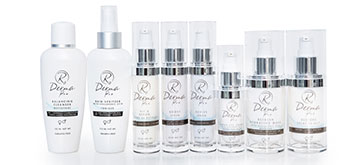
We proudly invite you to peruse our incredible product range at https://urbanbody.myshopify.com! Our collection of R3 Derma Health products contains the highest concentration of active and natural ingredients, best suited for those individuals who desire faster results.
https://www.urbanbodylaser.com/wp-content/uploads/2021/04/skin-care.jpg500500ISIhttps://www.urbanbodylaser.com/wp-content/uploads/2018/02/Urban-Body-Laser-Vancouver-BC-Logo.pngISI2021-04-14 14:13:412025-10-03 16:16:02Understand Your Skin Type To Have The Best Skin Care Routine For YOU
Getting outside and taking advantage of life’s small adventures is absolutely something we encourage. Just like too much sun exposure, there are other risks that come with being bold. Case in point: When one of our daughters recently set out to play on her long board, she experienced an unfortunate meeting between pavement and forehead. The result: a big, sticky scrape across her face in the middle of a hot summer. Poor girl! In a moment of inspiration, we realized that we had the perfect product right at our fingertips to take care of this dilemma. In our R3 Derma Health line we have an amazing Organic Aloe Gel that harnesses the healing powers of aloe for so many different uses. We figured, why not try it on a scrape! The effects couldn’t have been better. The gel was applied to the wound every day 4-6 times, and on day 6, her scab came clean off to reveal healed skin. So quick! This gel is made from our own formulations and tested by our team. We are so happy with it’s results! Used regularly, this lightweight gel hydrates and softens skin. It can reduce redness and swelling due to sun exposure, windburn, razor burn, bug bites, and hypersensitivity reactions, among other applications. Users with sensitive, acne prone, and combination skin re-purchase this gel as they find it doesn’t clog sensitive pores or cause breakouts, even reducing the frequency of blemishes. Aloe straight from the plant is protective, restorative, anti-inflammatory, healing, and so much more. It is one of the best things to have on hand for at home remedies. Our formulation packs in 200x concentrate, meaning you just need a small amount per application to enjoy an impactful dose of the medicinal properties of straight aloe. Included is a select blend of essential oils to provide additional anti-inflammatory, antioxidant, and antibacterial benefits. Our team loves to see the products we create making a difference in the world. We’re not the only ones who have been singing this product’s praises. See for yourself!
Consumer Reviews (Amazon.com) “I wasn’t sure what to expect especially because I’ve tried so many expensive products and am now moving into the holistic approach for better skincare solutions. Your product has actually helped to heal a couple stubborn face issues I’ve been struggling with. Within 24 hrs, I could actually see the scar that wouldn’t go away actually dissolve from my face. I am using your product everyday and can’t wait to see what else it helps my skin with. I know aloe vera itself is healing, I’ve been using it directly from my plants. But your product was even more concentrated and made a big difference. Please keep up the good work!! Thank you!!!!” – Truth411 CN
“This product is perfect. It’s just the right consistency. Not too runny and not too thick. It has a very light, pleasant smell that goes away quickly. I use it on my face, neck and hands when I want something light and penetrating that has all of the benefits that Aloe Vera offers. I’ve used several types of Aloe Vera. This will definitely be the one I reorder.” – Kathy K
“I was super nervous about trying something new on my face being as it is so sensitive and every little things breaks it out, but this aloe gel is everything!!!! My face is softer & doesn’t seem to break out as much as before, I will definitely be repurchasing.” – Chelsea Davis
Contact: Urban Body Laser
777 Hornby St #860, Vancouver, BC V6Z 2G3
(604) 696-5506
https://www.urbanbodylaser.com/wp-content/uploads/2017/09/R3DermaAloeGel.webp393590adminhttps://www.urbanbodylaser.com/wp-content/uploads/2018/02/Urban-Body-Laser-Vancouver-BC-Logo.pngadmin2017-09-21 12:00:532024-07-29 19:07:43R3 Derma Health Aloe to the Rescue!
After years of helping people with their skin, we can safely say we’ve seen just about everything. From dry to oily, young to mature, our medical estheticians have worked with hundreds of people from all corners of Greater Vancouver to help them achieve healthy, glowing, and flawless complexions.
Throughout the years, we’ve learned a thing (or nine) about how to the body’s largest organ. And lucky for you, we’re giving you the inside scoop by sharing our top 9 skincare lessons that will help your skin from the inside, out. 1. Cleanse. We’ve all had those mornings where we’ve woken up with raccoon eyes from last night’s mascara and our foundation strewn across the pillow (yuck!). We know life gets busy, but if there’s one thing you absolutely must do, it’s cleanse before you hit the sack. Here are a few of our faves:
2. Sunscreen. Don’t let Raincouver fool you; those grey clouds aren’t enough to fight off the sun’s harmful rays, causing premature aging and upping your chance of developing skin cancer. Applying sunscreen should be part of your all-day routine, no matter what time of year it is.
And not all sunscreens are created equal; as we’ve mentioned, you need to opt for Physical sunscreen, which protects your skin from the sun by deflecting or blocking the sun’s rays. It uses non-toxic, mineral-based ingredients like titanium dioxide (a naturally occurring mineral) and zinc to block the sun’s entire spectrum of UVA and UVB rays. This differs from the typical chemical forms you find at the drugstore, and are made up of more than 12 different chemicals, many of which have not been FDA approved. These are then absorbed into the skin and can interfere with the normal function of hormones like estrogen, progesterone, testosterone, and thyroid.Our go-to physical sunscreen is anything in the Sunforgettable Collection by Colorescience. Pack in your purse and reapply any time of day for easy-peasy application.
3. Ditch the Drugstore. Here’s why: they’re filled with chemicals that will only harm your skin. Better to make life simple and go for the natural, holistic, and scientifically proven good stuff: Colorescience and R3Derma.
4. Moisturize. Yes, that includes people with oily skin. No matter what skin type you have, moisturizer should always be in your arsenal. Here are our faves.
5. Wash Up. And not just your face. We’re talking about your brushes, pillowcases, and face cloths; anything that touches your face on the reg, as these materials can easily absorb and pass on bacteria that can clog pores.
6. Don’t Pick! Whether it’s pimples, whiteheads, or blackheads, keep your hands off and away from your face, as you’ll likely only do more damage. Suffering from scars? Our Foto-Facials will do wonders to remove discoloration.
7. Easy on the Exfoliation. Rule of thumb: you should be exfoliating gently and no more than twice a week. Your skin is sensitive, and while exfoliation is vital for removing dead skin cells and other pollutants, there’s no need to sand it down completely. These exfoliators and masks from R3 Derma are gentle yet incredibly effective.
8. Ban the Tan. Baking in ultraviolet rays, whether it’s the tanning bed or on the beach, needs to stop immediately. Premature aging, wrinkles, fine-lines, pigmentation, cancer – you name it; it’s all caused by tanning.
9. Bar the Bar. Using a bar of drugstore soap to cleanse is one of the worst things you can do, as it strips our skin of natural oils and causes a PH imbalance, resulting in dry, oily or acneic skin. Do yourself a favour and try R3 Derma Cleansers that deeply clean the skin and thoroughly remove dirt, make-up, and environmental toxins.
Now that you have our skincare secrets, feel free to contact us if you have any questions about our tips, recommendations, and products. We’re happy to help!
https://www.urbanbodylaser.com/wp-content/uploads/2022/05/teen_acne.png410402adminhttps://www.urbanbodylaser.com/wp-content/uploads/2018/02/Urban-Body-Laser-Vancouver-BC-Logo.pngadmin2016-02-22 19:35:452025-12-04 21:37:299 Skincare Lessons from Urban Body Laser
Have you noticed that your skin has become incredibly dry in the past few weeks? Don’t worry, you’re not alone! Cooler temperatures always affect the moisture of your skin, especially on your face, hands, and feet. As a result, cracking, flaking, and redness are all side effects as winter weather sweeps in.
It also doesn’t help that as the temperature drops outside, we’re turning up the heat inside, which also causes the skin to dry out. Thankfully, the Urban Body Laser team has assembled their Winter Survival Kit so ensure your skin receives the tender loving care it deserves. Check out our top picks:
R3 Derma Organic Aloe Gel
We recommend using this in the morning and evening to regenerate the skin’s protective film, or any time after bathing, showering or shaving.
R3 Derma Revive Serum
This helps calm and soothe very dry skin with Konjac Root Extract. Our owner, Janiece, swears by it! In fact, she loves applying this to her hands and lips before bed.
This anti-aging hydrator is perfect for under your mineral makeup to leave you with not only a photo finish but also a silky feel. Can be used upon waking and/or before bed.
Colorescience Pep Up Gel
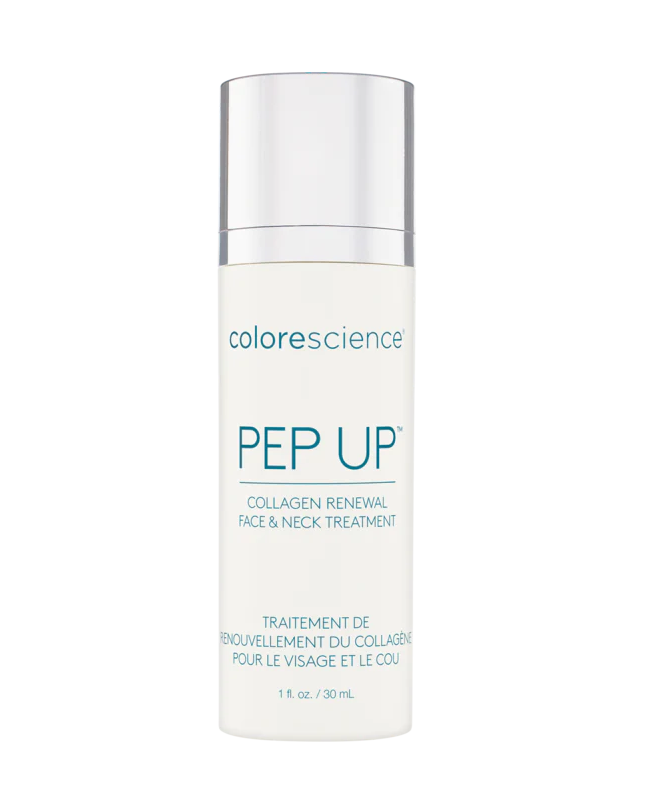
Give your skin a jumpstart every morning with this amplified Anti-Aging Serum. This collagen renewal treatment for face and neck is formulated with a 10-peptide blend to specifically target aging skin, fine lines, and wrinkles. This radiance-boosting formula with deep hydration and advanced antioxidant support makes your skin look and feel younger. Light-reflecting pigments diminish imperfections, improve the appearance of redness, and brighten sallow tones.
R3 Derma Refresh Hydrating Mask
Maximize topical hydration and enhance your skin’s natural moisture barrier with this thirst quenching Mask which contains water based humectants that attract and bind moisture to the skin. Infused with powerful resilience-enhancing actives, this mask will provide immediate and long lasting hydration, skin will feel supremely nourished, refreshed, hydrated and balanced.
With this dream team in your corner, you won’t have to suffer from another season of chapped lips and cracked hands. Best of all, these are available at our clinic or on our online store! Though all of these products can be used on any age or skin type, there may be some that are better suited for you than others. If you need help deciphering which ones are best for you, contact our team any time, we are more than happy to help.
https://www.urbanbodylaser.com/wp-content/uploads/2018/08/Skin-Rejuvenation-02.jpg334500adminhttps://www.urbanbodylaser.com/wp-content/uploads/2018/02/Urban-Body-Laser-Vancouver-BC-Logo.pngadmin2014-11-20 02:41:492024-07-29 19:21:31Winter Skin Care Tips
You may have noticed more advertisements and buzz around serums. A relatively new product in the skincare market, serums are gaining a loyal following for many reasons. However, we find many clients are confused over why, when, and how to use them.
A common misconception is that serums can replace moisturizers. This is completely false as they both have very different purposes. Facial creams have been around for a long time and are still the most popular form of skin care. They’re a vital component to any skin care regime and should never be replaced with serums or any other products. They’re typically made by mixing oil with water and are primarily meant to hydrate the skin.
Serums, on the other hand, are a concentrated way to get key ingredients into the skin. The main reason you’d want to use a facial serum is to get added nutrients into deeper layers of your skin that a regular moisturizer is not able to reach. The junction between the two main layers of our skin (epidermis and dermis) is extremely hard to penetrate. While this is a good thing because it protects our skin, it also means it’s difficult to get the active ingredients into the depths of your skin where it is needed.
This is why you need a serum with an effective delivery system. So before you purchase one, make sure that it has a delivery system for those active ingredients to properly penetrate into the deep layer of your skin. Otherwise you’ll be wasting your money.
All of the serums we offer at our office and online store have this essential liposomal delivery system, which means you can treat and correct any skin ailments that you may be experiencing. For example, the R3 Derma Soothe Serum is an all-natural product; R3 Derma’s Remedy for rosacea reduces and reduces redness while restoring the protective barrier. It also reduces scarring, minimizes the visibility of capillaries, and rebuilds the thinned epidermis.
Other common skin conditions that serums can help treat are acne and pigmentation. To apply, you can either add 1-2 drops/pumps to in the morning and night to your entire face or you can use as a spot treatment. You can find both serums from the R3 Derma line in our online store.
Serums are excellent for anti-aging. This Anti-Aging Serum in particular has a 10-peptide blend that specifically targets aging skin, fine lines, and wrinkles. Our staff love this product because it gives your skin an instant boost, diminishing imperfections and improving the appearance of any redness almost immediately.
As you can tell, serums can be extremely beneficial for the skin and a vital component to a youthful, radiant, and flawless complexion. But before you invest in a serum, it’s best to contact our medical estheticians to find which one is right for you.
We’re so excited to talk about one of our favourite products, the Dermal Roller! For a limited time, if you purchase a Dermal Roller you’ll receive a free treatment, valued at $200! So what exactly is it? We’ll explain.
The thought of needles makes many of us start to cringe. From the day we’re born, needles have always been affiliated with pain and illness; something that is forced upon us in order to protect or heal. Even as adults, this fear continues to linger. But what if we told you that there are actually needles that can make you look years younger?
The Dermal Roller is a tool covered with tiny needles which creates very minor (almost microscopic) trauma that last for a short period of time. This process has two major benefits:
1. It effectively stimulates collagen formation, which is the protein responsible for skin elasticity. Therefore, it will lead to smoother skin as it breaks down wrinkles and scarring.
2. Once your skin has been treated, it will easily absorb whatever products you apply afterwards. The light pressure literally creates microscopic holes where ingredients can penetrate, improving the look and feel of skin over time. That’s why it’s important to ensure you’re using the best products possible without harmful toxins or ingredients. Our estheticians can help distinguish which of our skincare products will best suit your skin type.
Dermal Roller and Skin Needling: How Does it Work?
Skin has a natural ability to repair itself whenever it encounters physical damage such as cuts, burns and other abrasions. Immediately after an injury to the skin, our body reuses the damaged collagen and elastin fibres as well as other damaged skin components to produce new ones. Skin Needling allows for controlled induction of the skin’s self repair by creating micro-“injuries” in the skin, triggering new collagen synthesis. The result is smoother, firmer and younger looking skin.
We offer the Dermal Roller in the 0.3mm size which has 560 titanium needles.
https://www.urbanbodylaser.com/wp-content/uploads/2014/01/android-chrome-512x512-1.png512512adminhttps://www.urbanbodylaser.com/wp-content/uploads/2018/02/Urban-Body-Laser-Vancouver-BC-Logo.pngadmin2014-01-31 01:23:292025-09-08 14:44:49Urban Body Staff Pick: The Dermal Roller
Water hydrates and plumps skin cells to make your skin look brighter, vibrant, and more youthful. However, lack of water can cause skin to lose its plumpness and elasticity—leading to dryness, flakiness, fine lines, wrinkles, and sagging skin. Water even helps reduce acne and other skin problems by flushing harmful toxins from the body. If beauty products and skin treatments are failing to improve the appearance of your skin, drink more water to achieve a more youthful appearance and to reduce or improve skin problems.
The sun gives off rays of light that can help and harm us. These are known as ultraviolet (UV) rays. There are three different types of UV rays: UVA, UVB, and UVC.
UVA rays are the most common form of sun exposure. UVB rays make up less sun exposure, but are more intense. UVC rays are the worst. Luckily, we are not at risk of UVC rays. The earth’s ozone layer blocks these rays.
Even though you can’t see UV rays, they can go through your skin. The outer layer of skin is the epidermis. The inner layer is called the dermis. Your nerves and blood vessels are located in the dermis. Epidermis cells contain a pigment (or dye) called melanin. People with light skin have less melanin than dark-skinned people. This is why very fair-skinned people burn easier.
Melanin protects our skin and also creates vitamin D. When your body defends itself against UV rays, your skin tans or darkens. Too much sun exposure allows UV rays to reach your inner skin layers. You know this as sunburn. This can cause skin cells to die, damage, or develop cancer.
Too much sun exposure can be harmful. It can lead to:
Skin changes Some skin cells with melanin can form a clump. This creates freckles and moles. Over time, these can develop cancer.
Early aging Time spent in the sun makes your skin age faster than normal. Signs of this are wrinkled, tight, or leathery skin and dark spots.
Lowered immune system White blood cells work to protect your body. When your skin gets burnt, white blood cells help create new cells. Doing this can put your immune system at risk in other areas.
Eye injuries UV rays can damage the tissue in your eyes. They can burn your outer layer called the cornea. They also can blur your vision. Over time, you can develop cataracts. This can cause blindness if left untreated.
Skin cancer Most skin cancer is non melanoma. It is very common, but also very treatable. Melanoma skin cancer is not as common, but is more severe. Skin cancer can spread to other areas in your body, especially if left untreated.
Uv Filters
PABA
Oxybenzone
Octocrylene
Octylmenthoxycinnamate
Benzophenone
Dyes and Coloring Agents
Coal Tar Dyes
Amines
-P –Phenylenediamine
Acids
Alpha Hydroxy Acids
Glycolic
Lactic
Malic
Citric
Tartaric
Beta Hydroxy Acids
Salicylic Acid
Emollients
Petrolatum
Isoparaffin
Polybutene
Mineral Oil
Silicone
Methicone/ Dimethicone
Lanolin
Humectants
Avoid in severely compromised barrier defense (rosacea, senstive skins):
Hyaluronic Acid
Sodium PCA
Lactic Acid
Humectants:
Avoid in dry climates:
Butylene Glycol
Diethylene Glycol
Pentylene Glycol
Glycerine
Glycereth-26
Sorbitol Trioleate
Humectants:
Health Hazard Concerns:
Ethylene Glycol
PEG-4
Propylene Glycol
Sorbic Acid
Emulsifiers
Emulsifiers without risk, other than depleting the bilayers:
Glycerl Monosterate
Sodium Stearates
Sodium Stearoyl Lactylate
Sorbitan Stearate
Laurate
Emulsifiers associated with risk:
Polyethylene Glycol (PEG)
Polysorbates
Cetyl Alcohol
Stearyl Alcohol
Surfactants
Sodium Laureth Sulphate
Sodium Lauryl Sulphate
Ammonium Laureth Sulphate
Ammonium Laury Sulphate
Benzalkonium Chloride
DEA
TEA
Fragrance
Lemon/Lime
Orange/Tangerine
Bergamot
Lavender Oil (Lacandula Angusifolia)
Ylang-Ylang
Diethylhexyl Phthalate (DEP) (10)
Fragrance
Parfum
Eugenol
Geraniol
Linalool
Citronellol
Limonene
Preservatives- Formaldehyde Releasers
Quaternium -15
Diazolidinyl Urea
Imidazolidinyl Urea
DMDM Hydantoin
Preservatives – Citrus –Derived
Citric Acid
Grapefruit Seed Extract
Limonene
Some drugs that tend to cause photosensitivity include:
certain antibiotics, including tetracycline
sulfa drugs
antifungals
antihistamines
retinoids, such as isotretinoin
statins
diuretics
some NSAIDs
Many drugs can cause erythroderma, including:
sulfa drugs
penicillins
anti-seizure drugs
chloroquine
allopurinol
isoniazid
What is a drug rash?
Drug rashes are a side effect of a drug that manifests as a skin reaction. Drug rashes are usually caused by an allergic reaction to a drug. Typical symptoms include redness, bumps, blisters, hives, itching, and sometimes peeling, or pain.
Why do drug rashes happen?
Drug rashes and reactions happen for several reasons, including:
an allergic reaction
a buildup of the drug that causes toxicity to the skin
a drug makes the skin more sensitive to sunlight
interaction of two or more drugs
Sometimes drug rashes can be spontaneous and develop without a cause. Certain factors can also increase your risk for developing a drug rash, such as being older and female.
Other risk factors include having:
a viral infection and taking an antibiotic
a weakened immune system due to an underlying condition or other drug
cancer
With a change in season comes a different temperature, humidity, wind and UV exposure which can all affect changes which the body needs to respond to. … Extremes of temperatures and humidity disrupt the surface of the skin and cause changes in the function of the external skin barrier.
Weather has a huge effect on our skin. When it’s too hot or dry outside, our skin lets us know it. The winter months bring harsh, cold winds that irritate the delicate skin on our face and hands. Winter also brings dry conditions that strip skin of its natural moisture. This dryness can lead to red patches and excess dead skin cells that clog pores, causing acne. The dry winter air ends up sucking the moisture and natural oils that your skin produces. The weather, combined with indoor heating systems, simply wreaks havoc on the skin. This is why certain skin conditions, such as eczema (atopic dermatitis), tend to flare up during the cold weather season. According to some skin-care experts, winter is the worst season for acne. It’s unclear whether these breakouts are due to the weather alone, or are an indirect effect of all the lotions we apply to counteract wintry conditions.
For many, summer brings the promise of clear, easy-to-manage skin. The humidity of summer softens skin and brings back the moisture lost in winter. Some people attribute their improved complexions to increased sun exposure.
Moreover, not everyone says summer helps their skin. Acne has the potential to get worse as the weather gets hotter. There are several explanations for why this happens. For one, excess heat and humidity increase sweat production, which means more oil available to clog pores. Also, summer activities – such as hanging out in swimming pools – can have negative effects on our skin. Chlorinated chemicals can cause a particularly bad form of acne called chloracne. Additionally, sunscreens, while great for protecting users from UV rays, can aggravate the skin, which is why we recommend Colorescience Mineral Treatment Cosmetics.
Of course, when the temperatures reach all-time highs, we stay inside and crank up the air conditioning. Our skin probably doesn’t like that much either. Both air conditioning and central heating can dry skin out. The struggle to create conditions our skin will find favorable can get frustrating, but what choice do we have? Until researchers come up with a way to prevent our skin from reacting to environmental factors, there is little we can do except take care of our skin by using the appropriate products that will address the existing condition of your skin.
Our skin is very much ruled by our hormones. There are those times of the month breakouts, and then there’s the pigmentation known as Melasma that can rear its head when you’re pregnant. The thing is our hormone levels change as we age, rising when we’re children, peaking in our late teens (the horror) and declining in our 30s. One of the most obvious indicators of these hormonal changes is our skin.
Adolescent Years
The Hormone Situation: Adolescence is defined by the transitional stage of physical maturation and psychosocial development, generally occurring from puberty to adulthood. Prior to your teenage years, acne is uncommon. However, during puberty, your hormones surge with rises in estrogen, progesterone, and testosterone, which in turn can cause the sebaceous glands to produce more sebum (grease), which can lead to acne. Acne will affect almost every teenager to some extent, however, the level of acne varies enormously, but so too does the way in which people cope with it.
During Pregnancy
The Hormone Situation: Many pregnant women notice an increase in their skin pigmentation, which is more marked in women with darker skin types. This darkening of the skin is often one of the first signs of pregnancy and is related to increased levels of estrogen, progesterone and other hormones that stimulate pigment cells. Women suffering from this condition will notice that areas that are already pigmented such as the nipples and abdomen will become darker during their pregnancy, but this will generally settle down after delivery.
Menopause
The Hormone Situation: Menopause is defined as the day a woman has been diagnosed as not having a menstrual period for 12 consecutive months. There are a number of structural and functional changes that occur in the skin as our hormone levels decline with age, especially during menopause. These include dryness, due to decreased oil production (sebum synthesis), and lower water content in the skin. This dryness can lead to itching and even eczema. Our skin will also begin to lose its firmness as we age, as the levels of fibroblasts and collagen decrease. This can also lead to a loss of skin thickness, resulting in wrinkles and easy bruising. Lastly, as your skin ages, there are changes in the immune function, which can lead to delayed wound healing and an increased risk of skin cancer.
Polycyclic aromatic hydrocarbons (PAHs )
Toxic and carcinogenic compounds that occur in the environment and derive from two classes processes: petrogenic and pyrogenic processes. PAHs have long degradation periods, and recent studies show high accumulated concentrations in soil, aquatic, and atmospheric environments.
Volatile Organic Compounds (VOCs)
VOCs include a variety of chemicals that can cause eye, nose and throat irritation, shortness of breath, headaches, fatigue, nausea, dizziness and skin problems. The health effects caused by VOCs depend on the concentration and length of exposure to the chemicals.
Nitrogen oxide (NOx)
The species represents one of the most threatening air pollutants due to their prevalence and harmful impact on the environment and human health. Such damages lead to pathologies of lungs, cardiovascular system, and skin because these organs represent the first barrier toward the environment.
Particulate Matter (PM)
Studies have concluded that fine particles with a diameter less than 2.5 microns – PM 2.5 – might impair the skin barrier functions causing damage and reactions including immune dysregulation, activation of melanocytes and collagen breakdown.
Ozone (O3)
Recently it has been reported that a chronic contact with O3 can be deleterious for the skin. Our group and others have shown a progressive depletion of antioxidant content in the stratum corneum and this can then lead to a cascade of effects resulting in an active cellular response in the deeper layers of the skin and cigarette smoke.
White bread, bagels, popcorn “Foods with a high glycemic index give you a sugar rush that will be terrible for your skin,” says Ava Shamban, an assistant clinical professor of dermatology at UCLA. “When you increase sugar levels in the bloodstream, the sugar that’s not picked up by the liver can get into your collagen, which your body may then identify as damaged goods and chew up.”
Red-velvet cupcakes, pistachio ice cream cones Sweet stuff that’s irritating on your Instagram feed—looking at you, artfully arranged plate of macarons—is even worse for your skin. Once again, too much sugar can break down collagen and elastin, making your skin look dull and causing wrinkles over time. When you can substitute for sugar, “honey is the best sweetener since it’s loaded with antioxidants,” says Shamban.
Yogurt, cappuccinos Dairy gets a lot of flack for being bad for your skin, but the truth is “we don’t have enough data to know for sure, so we can only say it’s a potential culprit,” says Shamban. So far, studies have shown a correlation between dairy and acne but not causation, and anecdotal evidence is less reliable than you’d think. “If you gave up eating yogurt or drinking skim milk every day and had fewer breakouts, you wouldn’t know if it were because of the dairy or its sugar content,” says Shamban. Your best bet is to look for dairy that’s made
a) without added sugars and
b) from cows that are not treated with hormones.
“The hormones cows are fed can be steroid analogues, which can make you break out,” she says.
Bottled water “The BPA in water bottles is another steroid analogue, which means it could act like hormones in your body,” says Shamban. “You don’t think about your bottled water breaking you out, but we don’t know yet—and anyway, there are a thousand reasons not to use plastic bottles all the time.”
Your morning coffee If it gets you out of bed, don’t give it up. But you’d be wise to balance your coffee or fancy-pants espresso by chugging a glass of water, too. “Coffee acts as a diuretic, and that won’t make skin pretty, that’s for sure,” says Shamban. “Our skin cells are made of water, and anytime they shrivel up, you lose that glow and plumpness.” That means fine lines, like the ones we all have around our eyes, look worse. But as long as you add back hydration, there are plenty of benefits to drinking coffee, too: The polyphenols in coffee could mean younger-looking skin in the long run. Women who drank about three cups a day had the fewest age spots in a study in the International Journal of Dermatology.
Rounds of margaritas If you’ve ever had a hangover, you already know that having more than a few drinks dries out your skin the next day—it’s why lines look worse (like, way worse) on Sunday morning. Pile on the moisturizer and, if you’re lucky enough to look puffy, too, try pressing a compress with half-and-half or whole milk under your eyes. The proteins in whole-fat milk bring down bags.
…And the salt on the margarita rim (or in a bag of chips) “Just as coffee and alcohol do, too much salt will dehydrate your skin,” says Shamban. It’s why some dermatologists go to extremes: “I put all of my patients on a zero-added-salt diet—if you’re making chicken, you can cook it with rosemary, thyme, and pepper, no salt. Fish is olive oil, garlic, and basil. And restaurants function on salt, so I tell them no dressings, sauces, or salt,” says Harold Lancer, a dermatologist in Beverly Hills.
Milk chocolate—but not dark chocolate (woo-hoo!) It’s the sugars that make milk chocolate hard on your skin, but for the record: “There’s no reason to skip dark chocolate,” says Shamban (Look for 70 percent cacao or higher).
Anything caliente If you have rosacea, don’t pour hot sauce on your pizza. “It’s the skin condition that’s most sensitive to food,” says Shamban. “And spicy foods trigger inflammation and flushing.”


 The term ‘normal’ skin is widely used to refer to well-balanced skin. The scientific term for well-balanced skin is eudermic. Normal skin: is neither overly oily nor dry; is rarely sensitive or particularly problematic; has balanced sebum production and good blood circulation. This well-balanced healthy skin type has even levels of moisture and hydration, uniform texture and no obvious problem areas.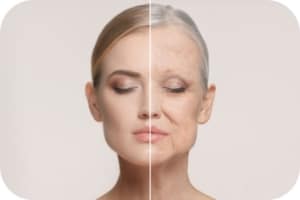
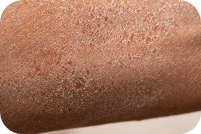
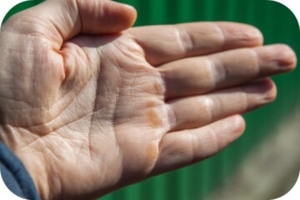
 Extremely dry skin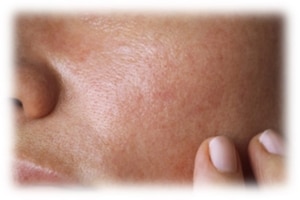
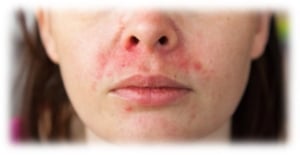
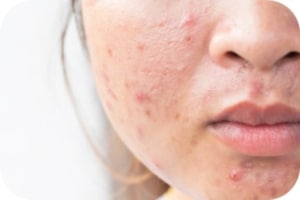 Oily skin is prone to comedones (blackheads and whiteheads) and to other varying forms of acne.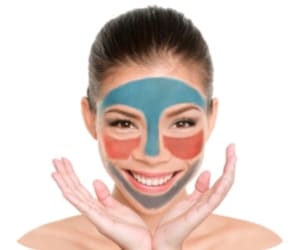


 If…
If…

 Signs of Aging